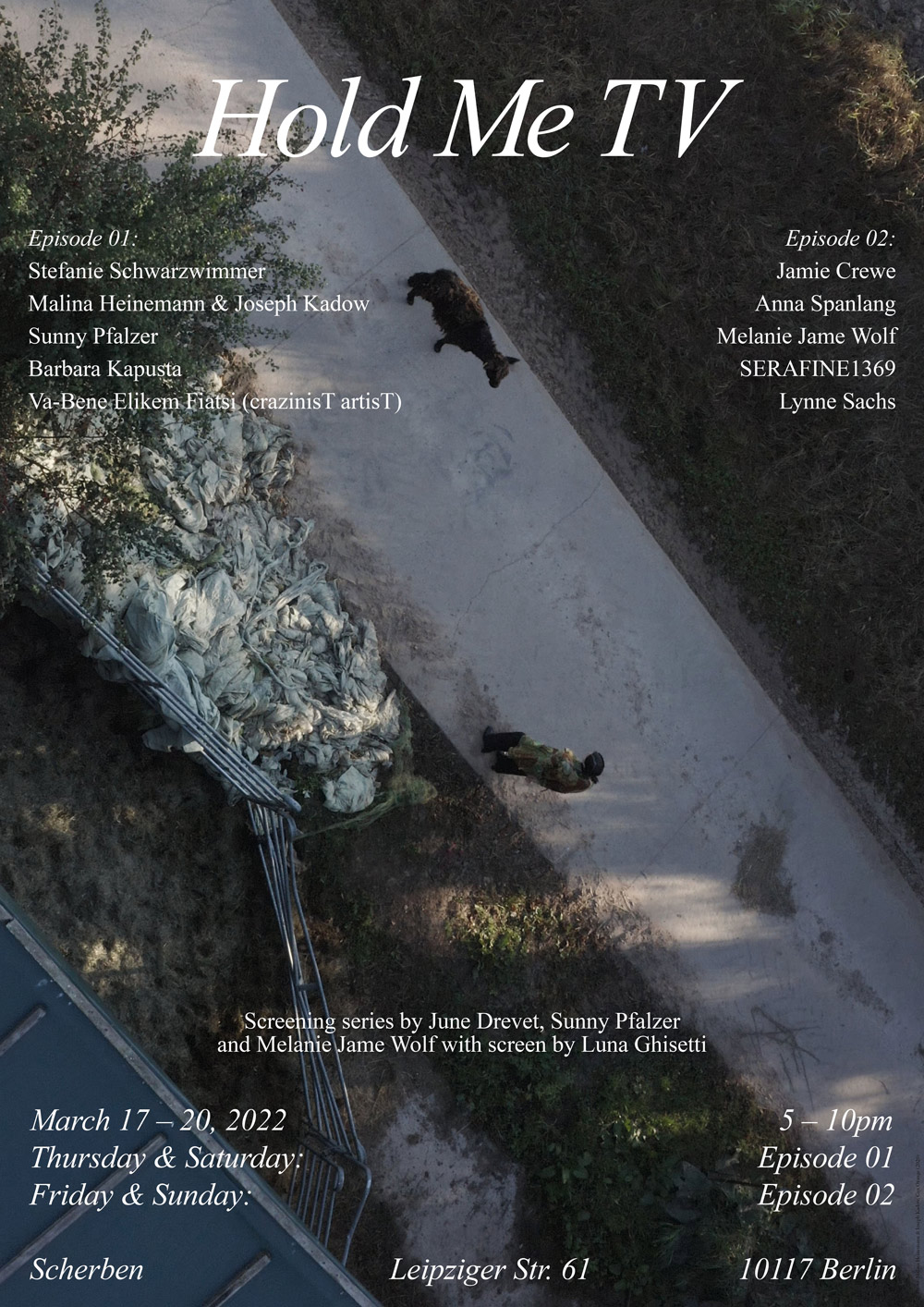
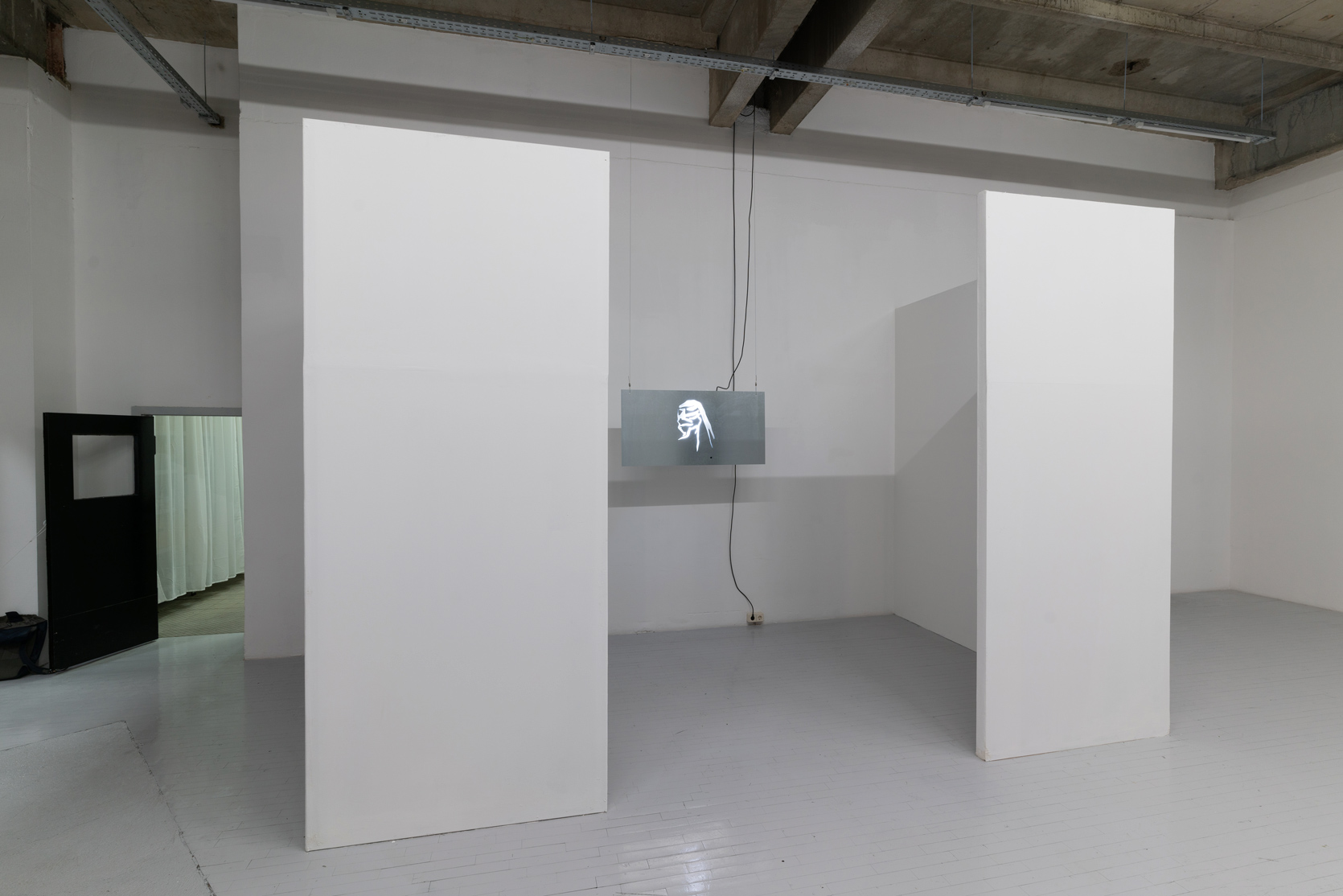
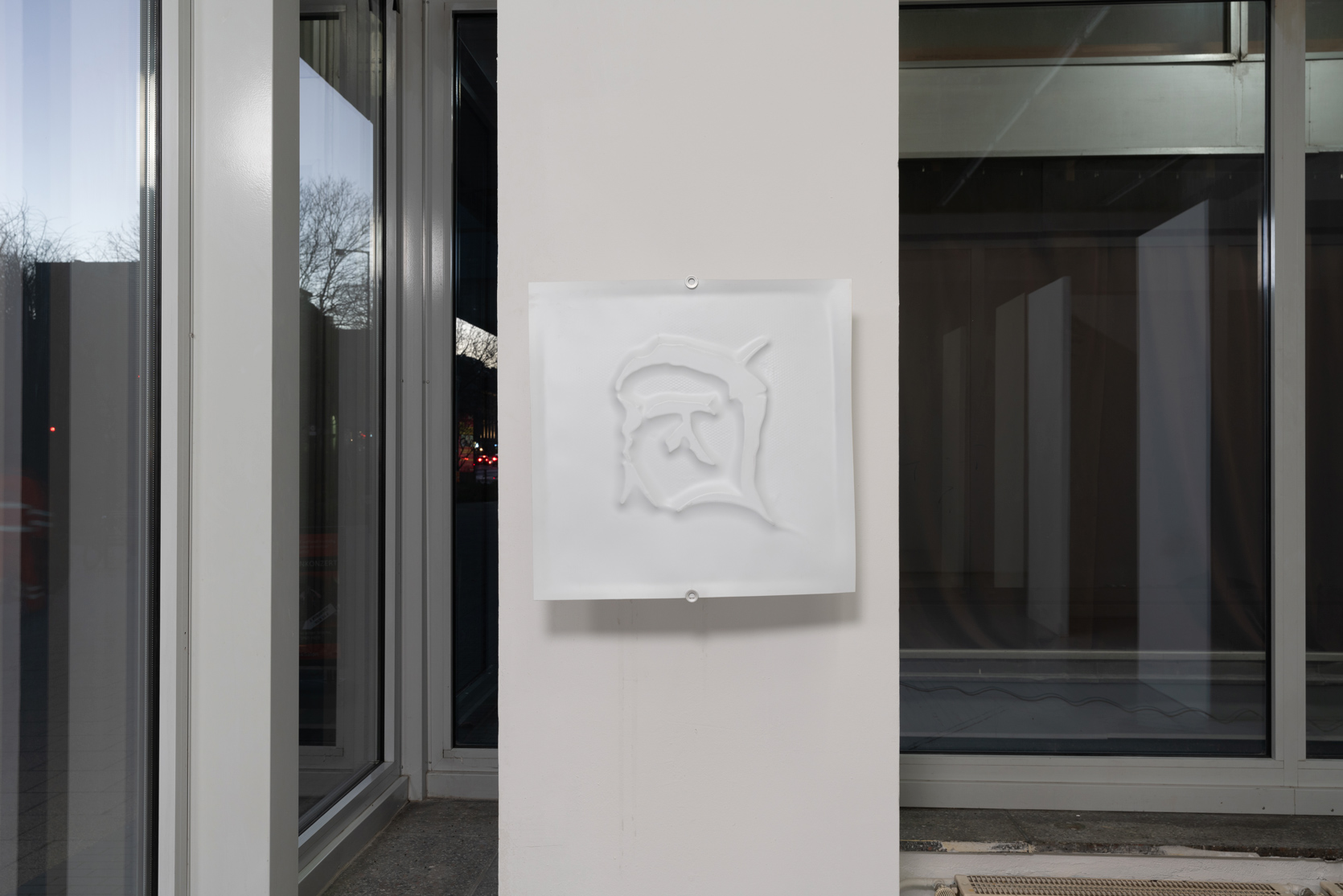
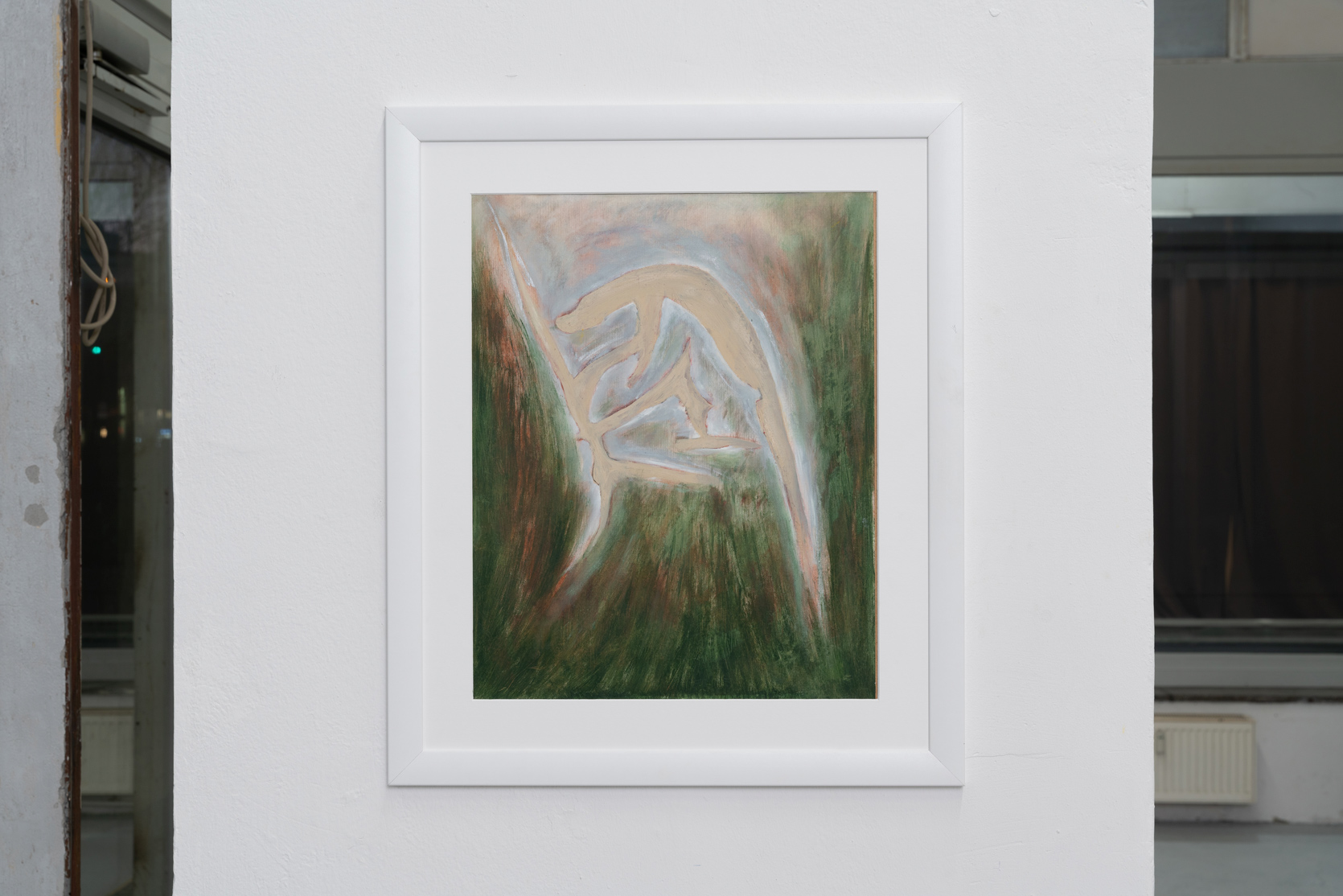
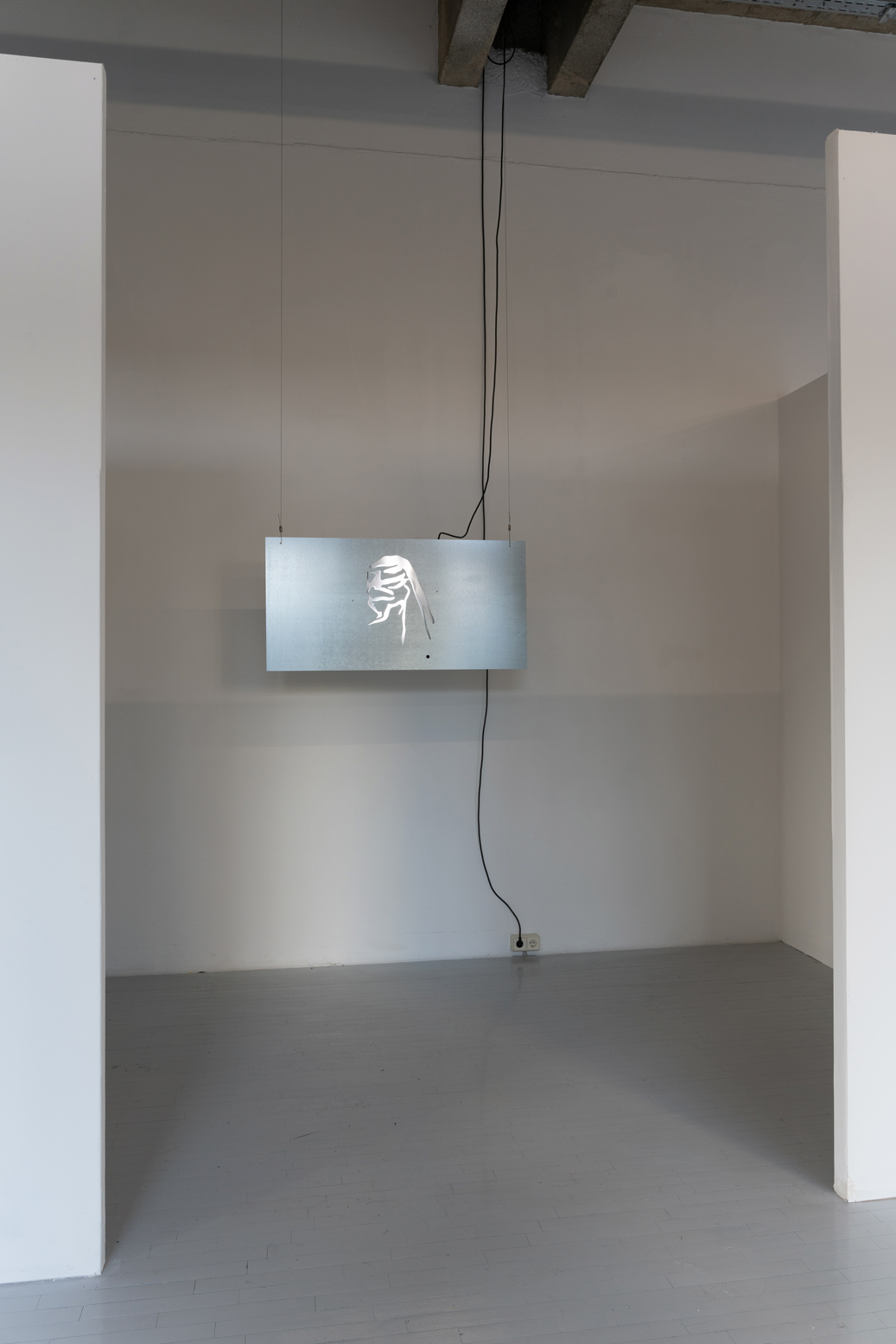
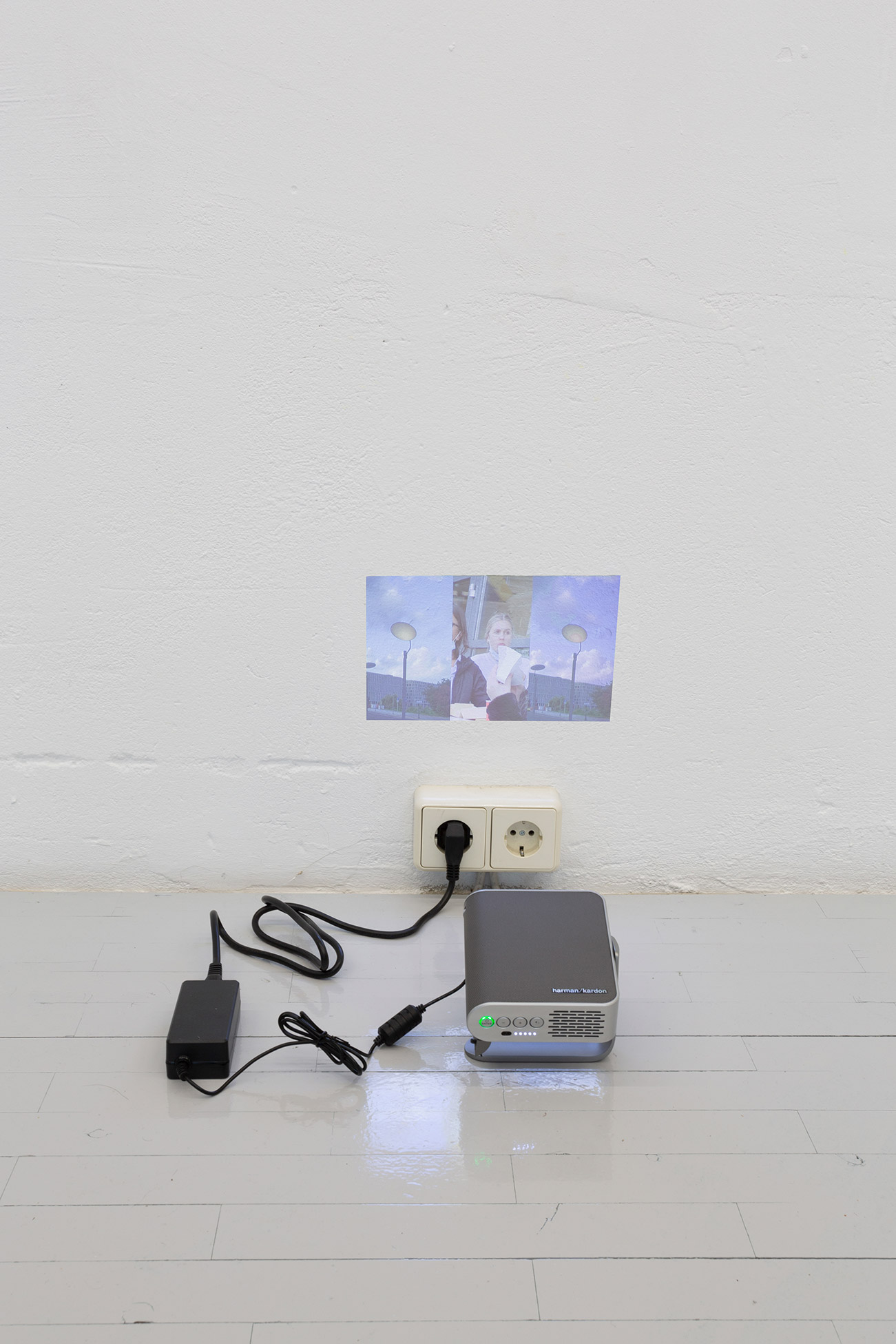
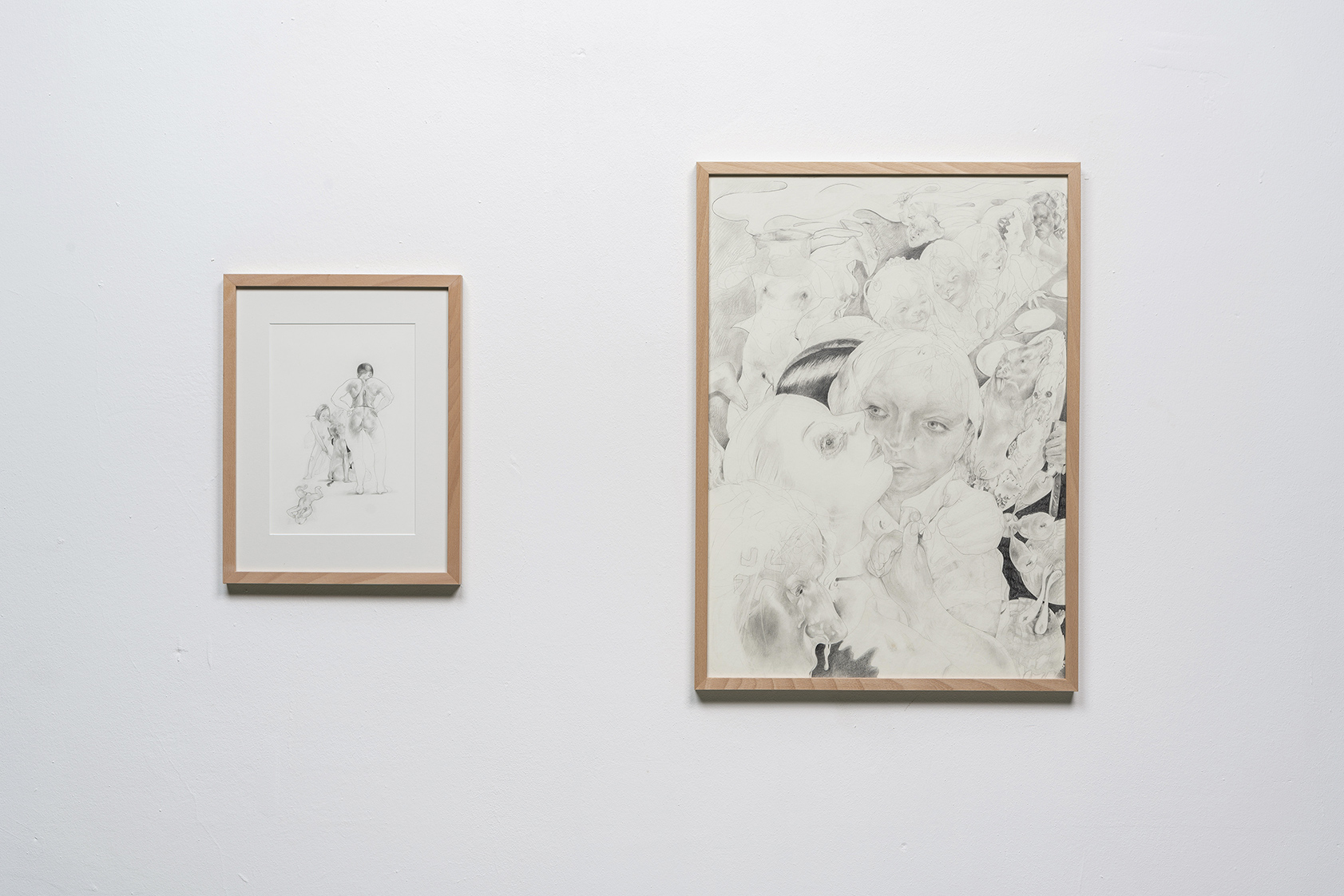
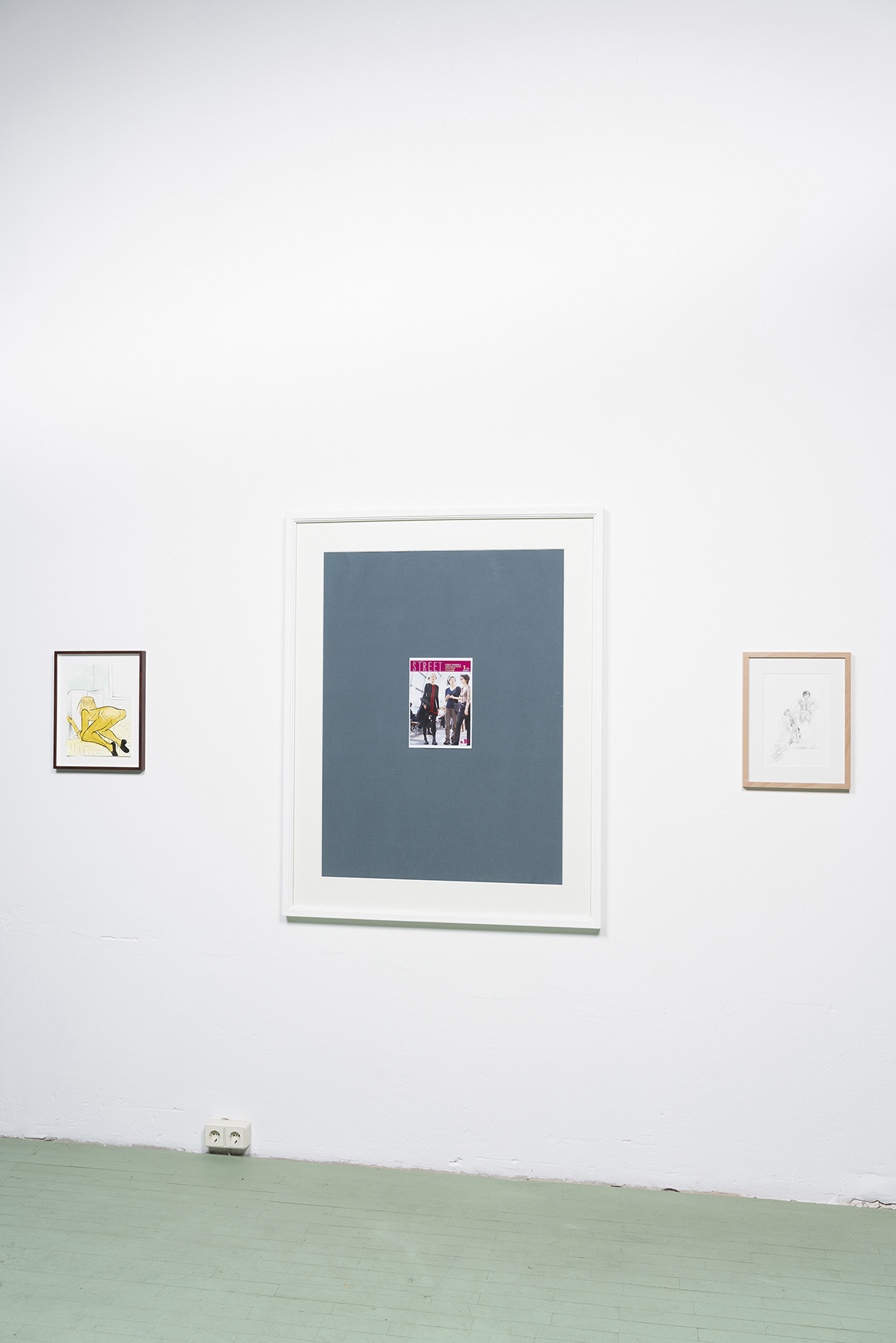
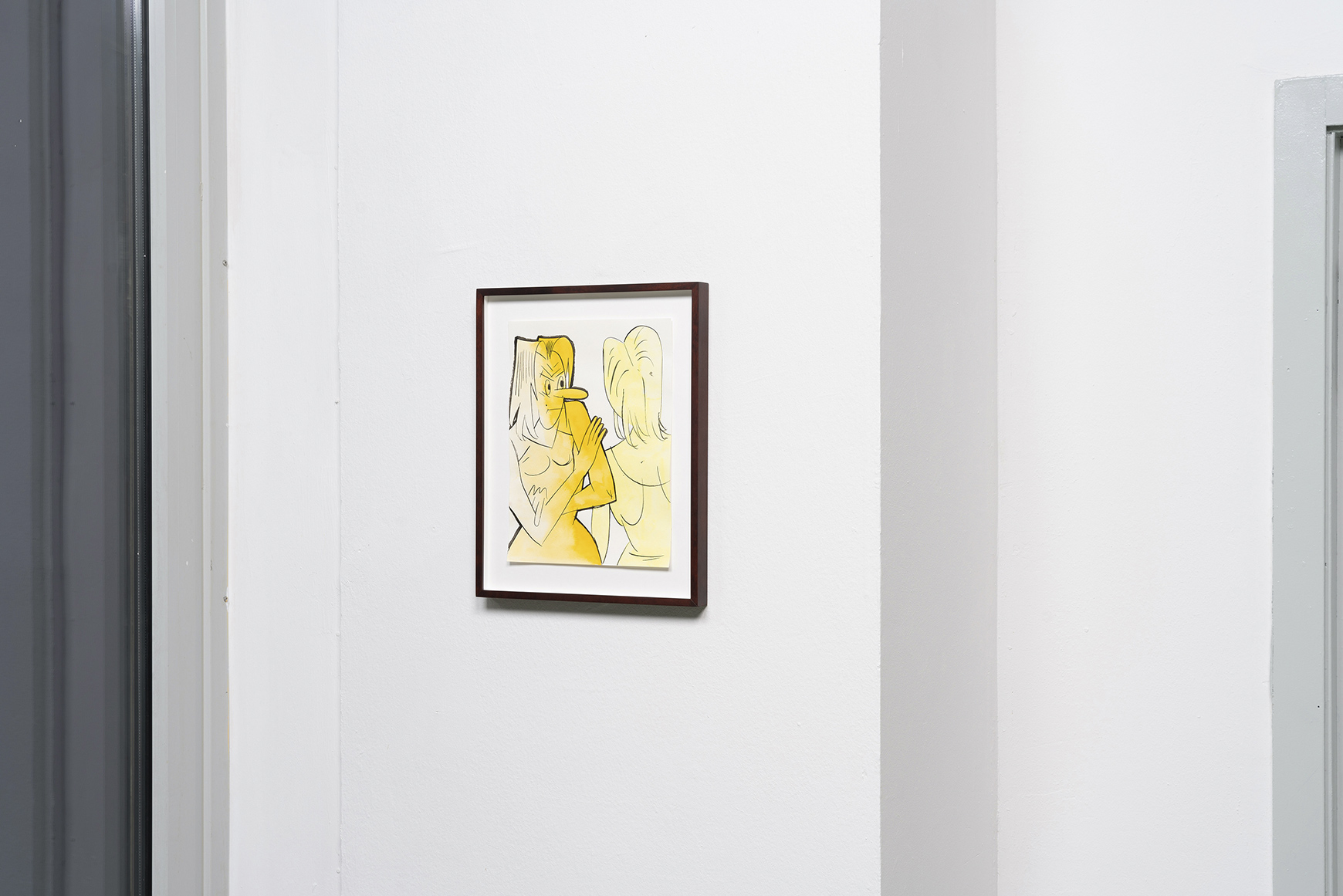
Hold Me TV is a 4 day screening program featuring films and videos by 10 artists who work in a variety of ways with the embodied camera. In these works, the camera is an integral (body) part of the worlds the artists build – humorous, sensorial, uncanny, fleshy, kinetic, intimate, public, high stakes.
This screening series is a collective curatorial effort by writer and curator June Drevet, visual artist Sunny Pfalzer, and choreographer and artist Melanie Jame Wolf. They invite visitors to watch films together while thinking about the agency and possibility of bodies in the different formal systems of choreography, cinema, and visual art. And to question what alternate regimes of looking can be produced when those distinct formal systems intersect.
The artists featured in the program are Jamie Crewe, Va-Bene Elikem Fiatsi (crazinisT artisT), Malina Heinemann & Joseph Kadow, Barbara Kapusta, Sunny Pfalzer, Lynne Sachs, Stefanie Schwarzwimmer, SERAFINE1369, Anna Spanlang, and Melanie Jame Wolf. The Display is developed by Luna Ghisetti.
Preview on Sunday Open 13.03.22
Opening: 17.03.22, 5pm
Exhibition: 17.03. – 20.03.22, 5 – 10pm
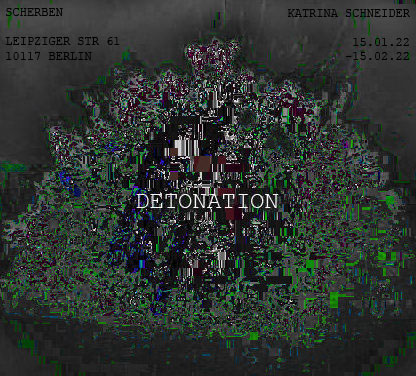
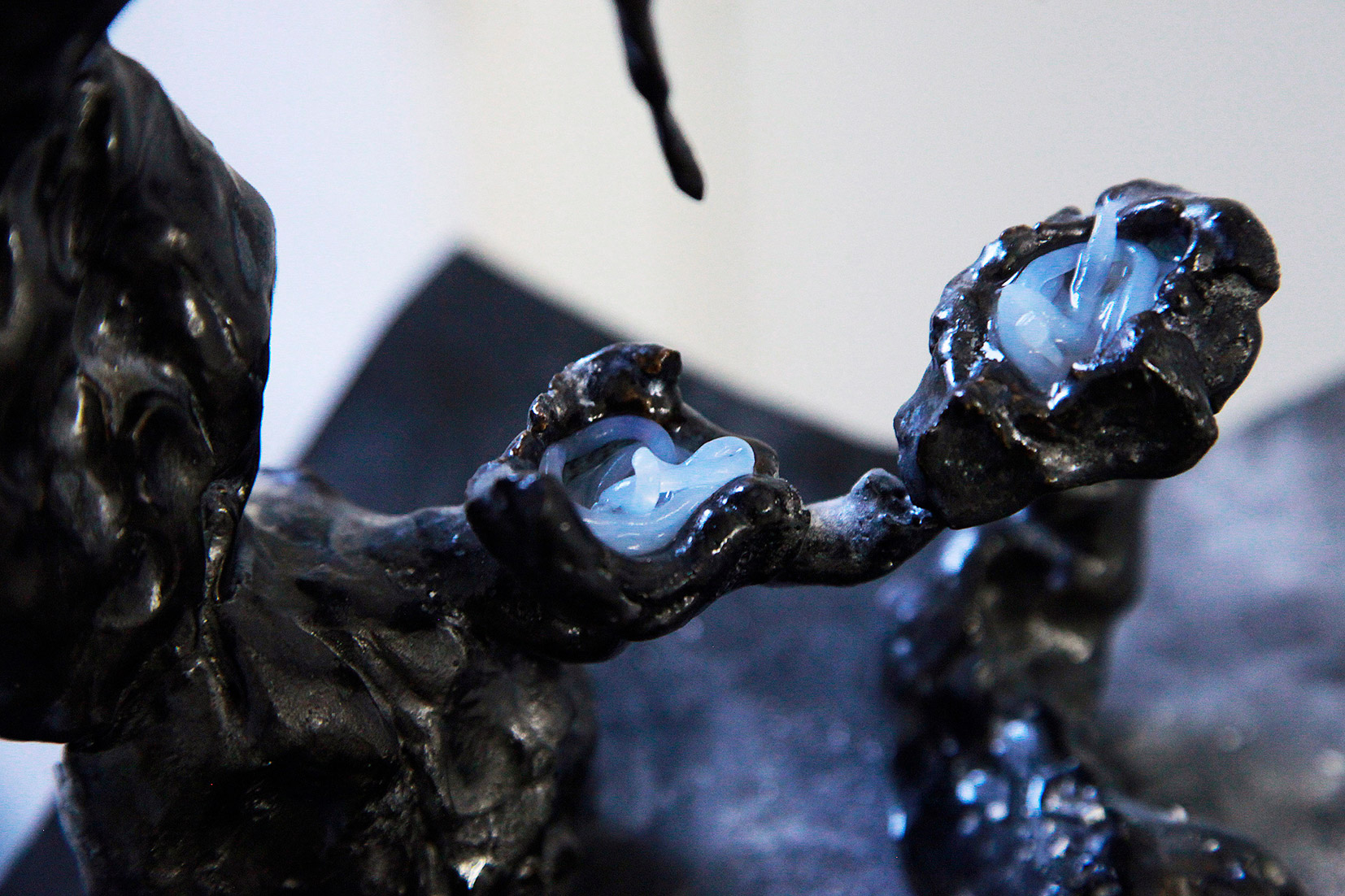
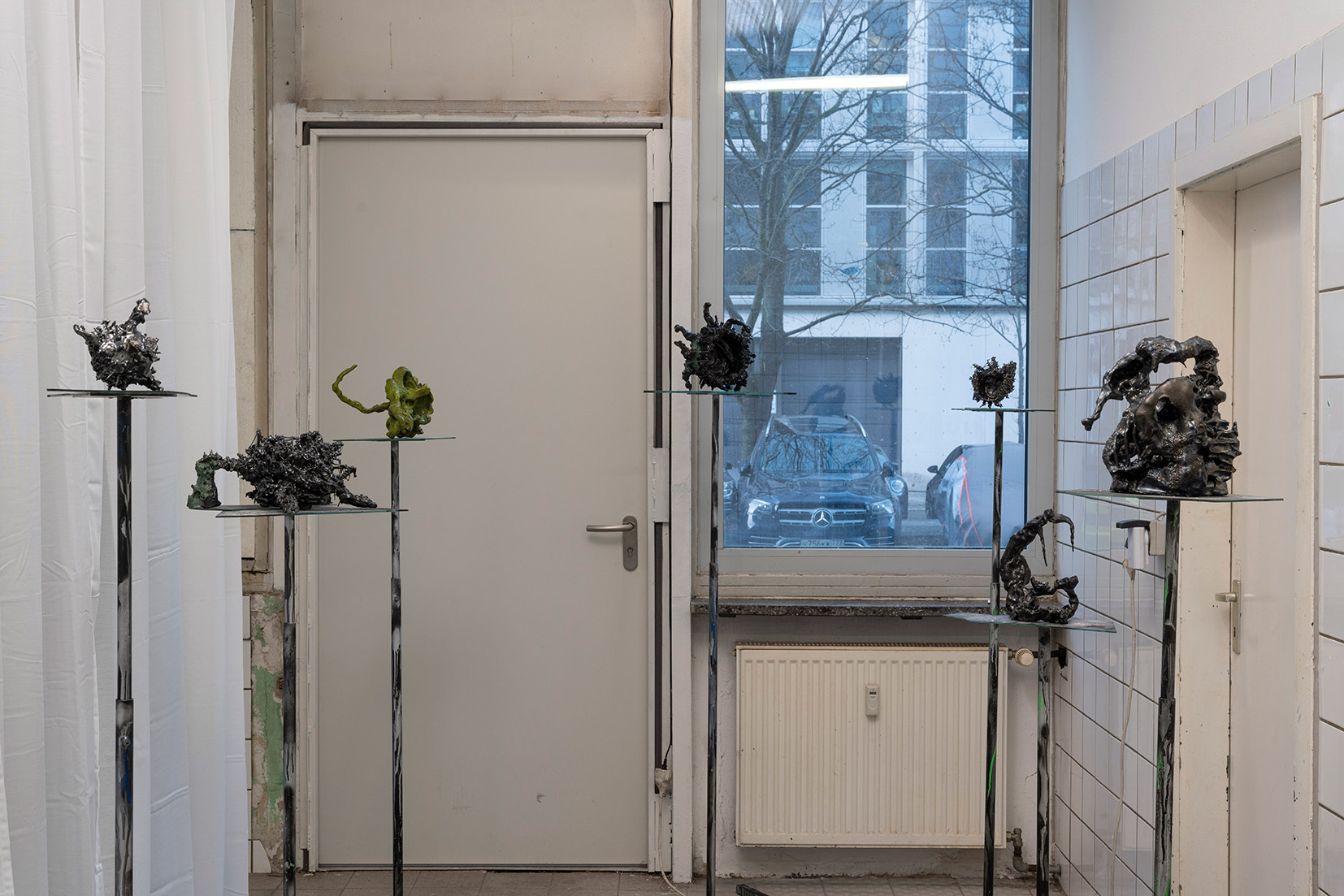
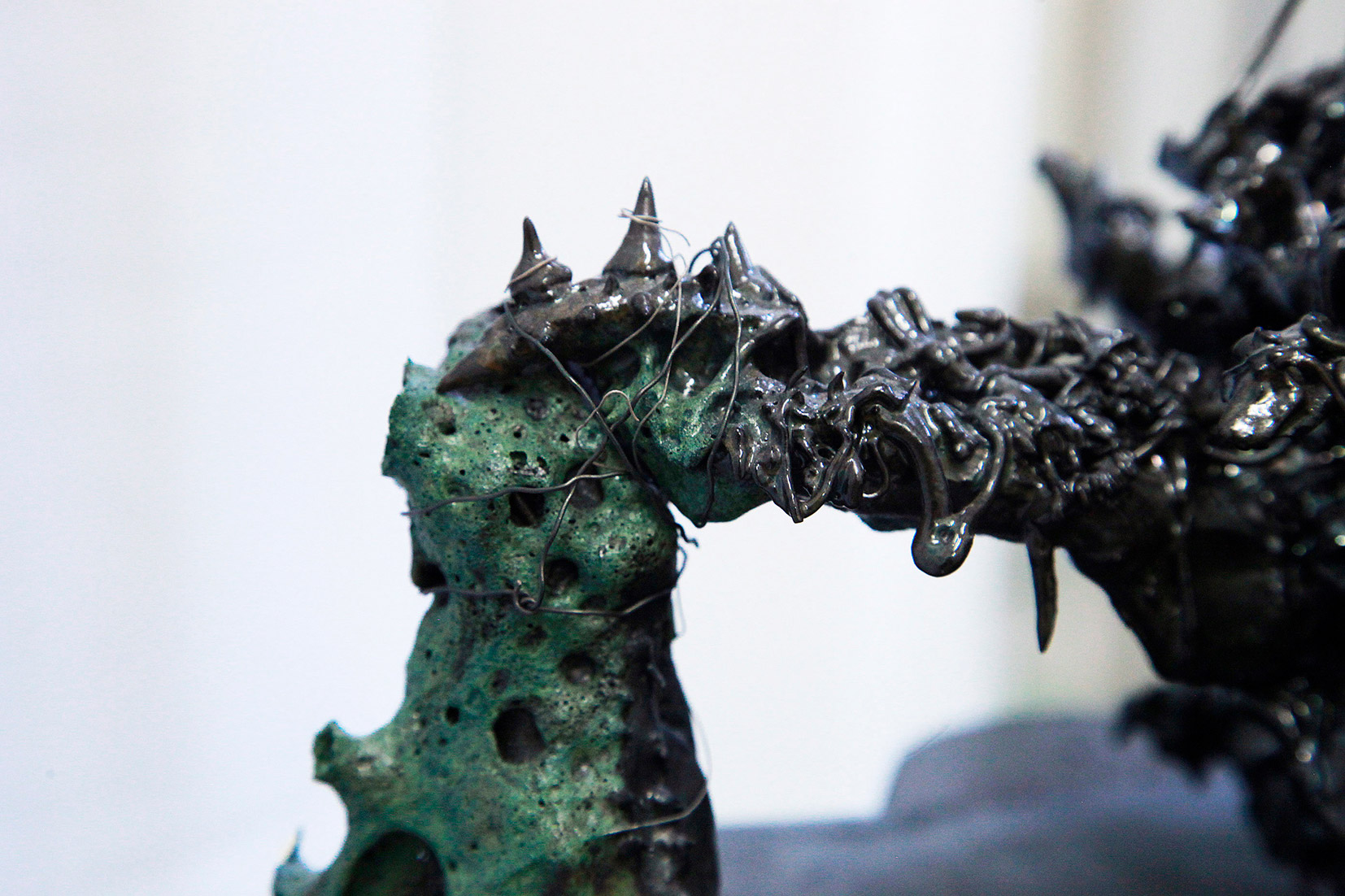
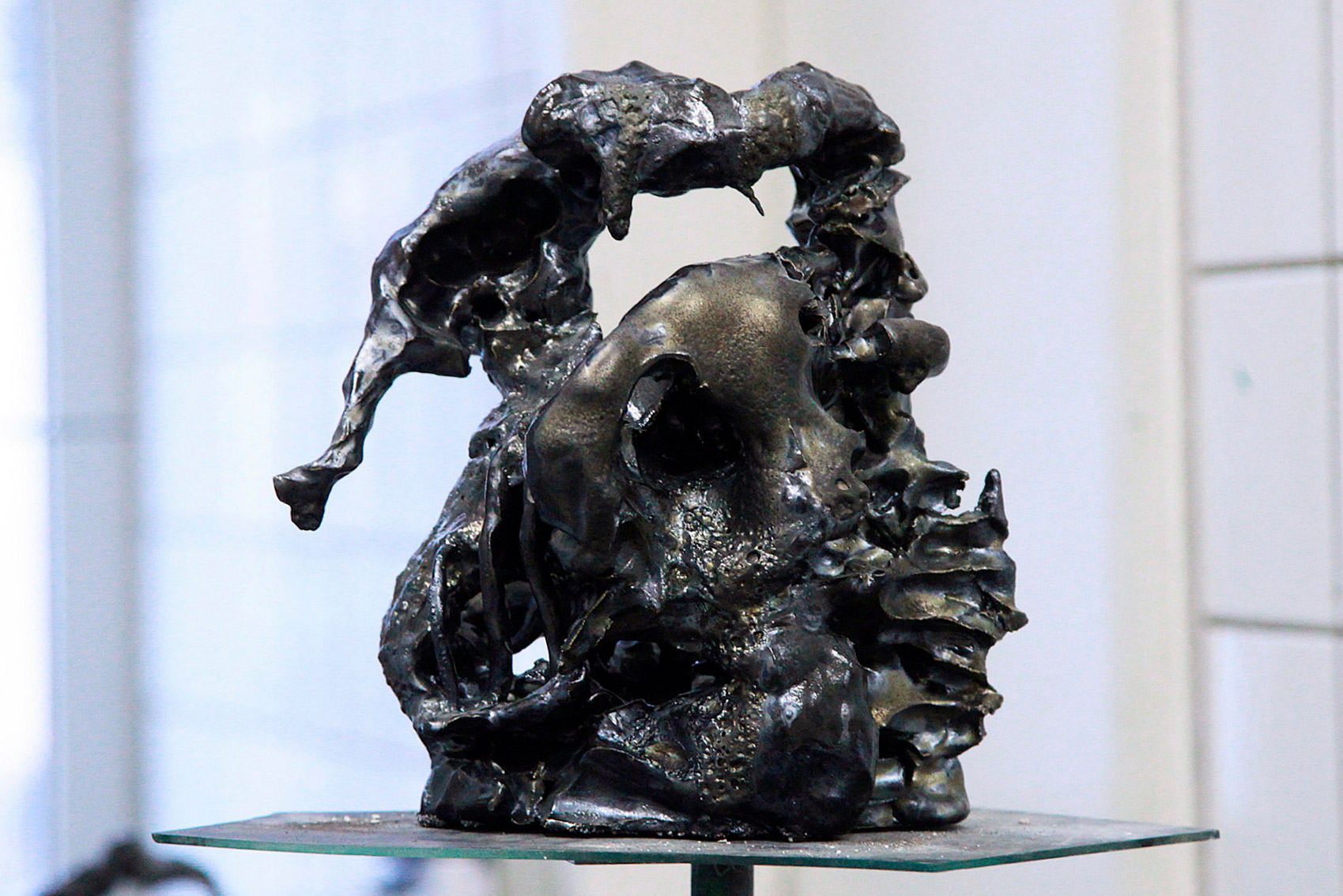
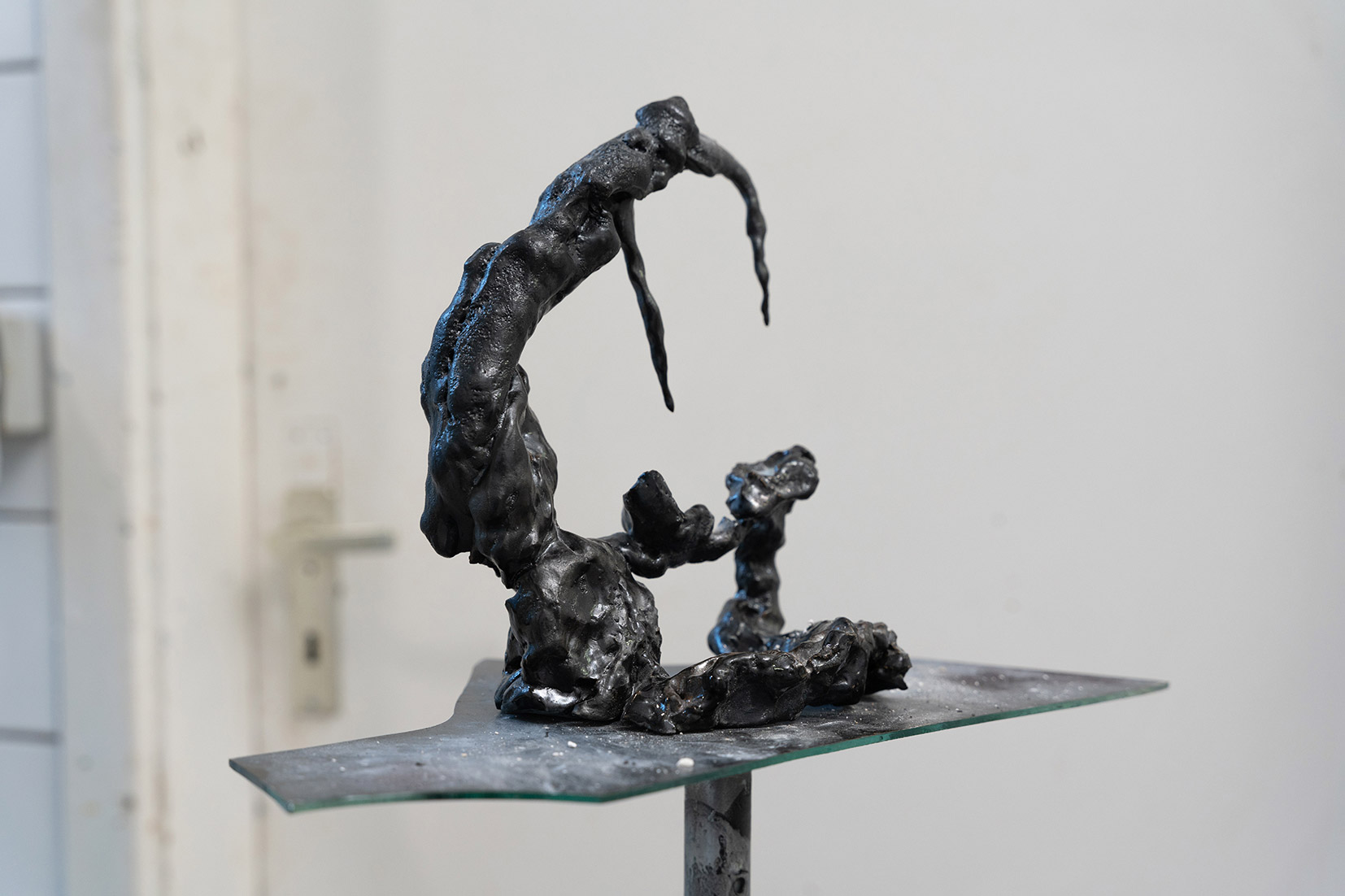
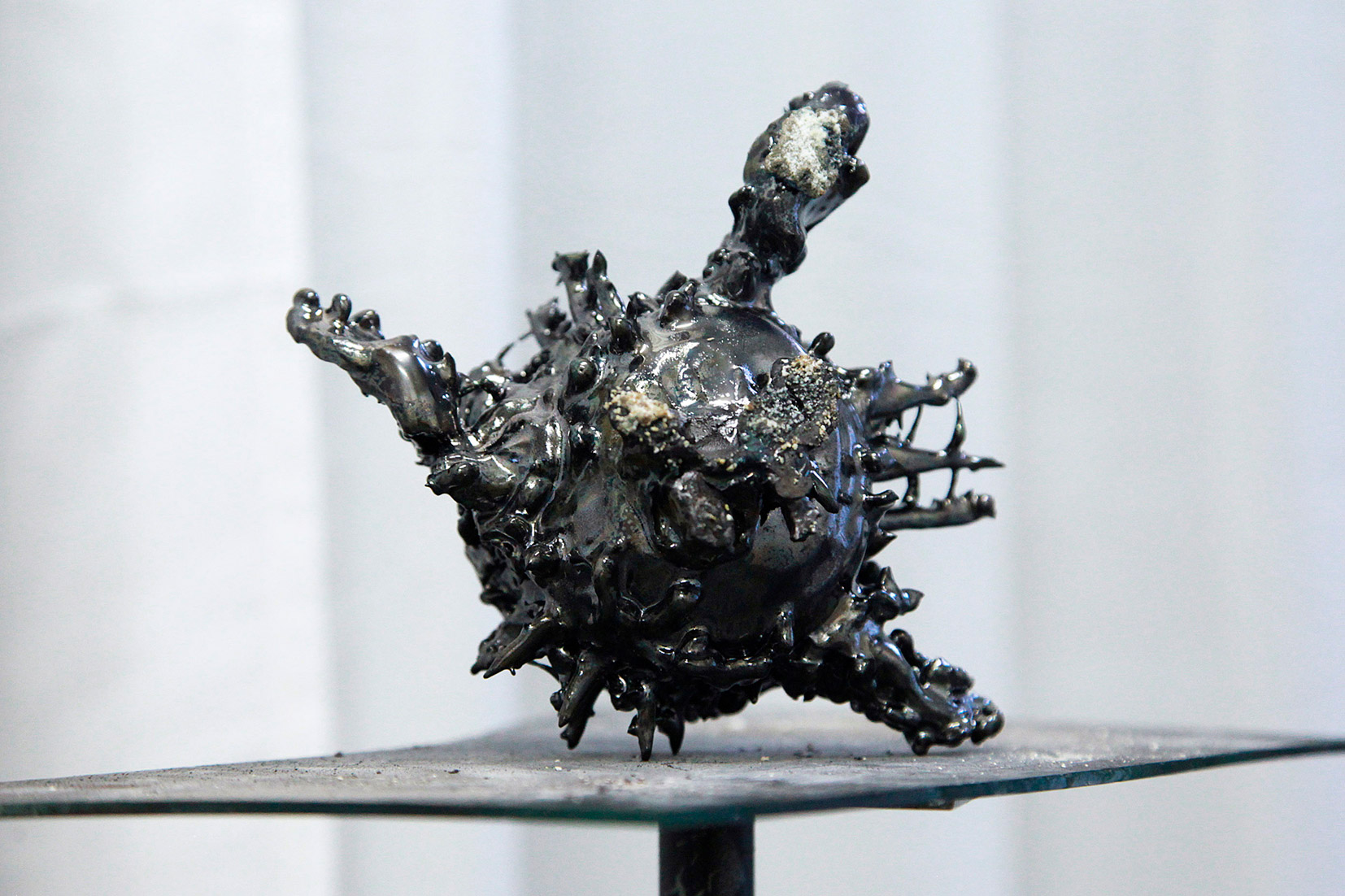
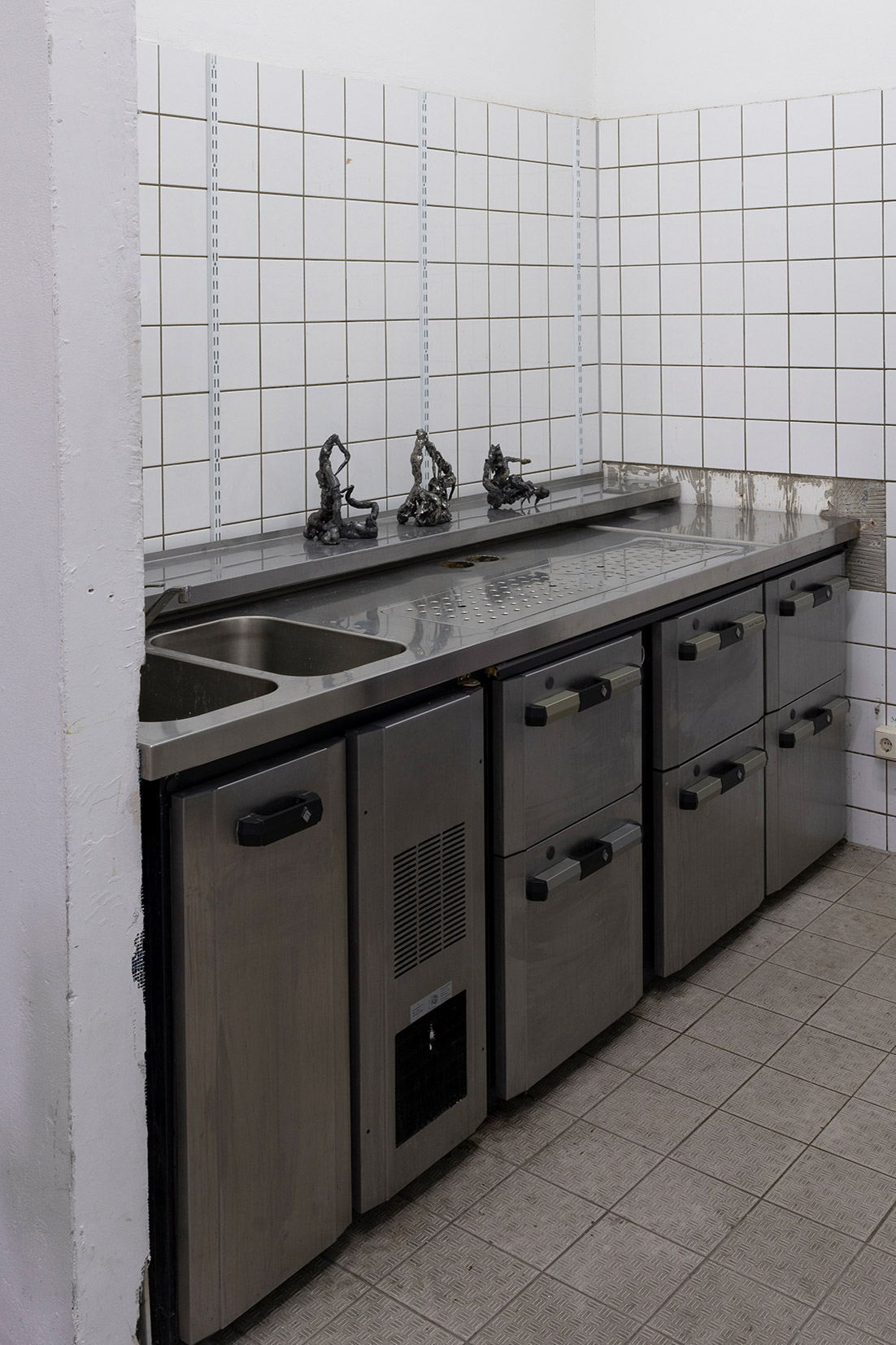
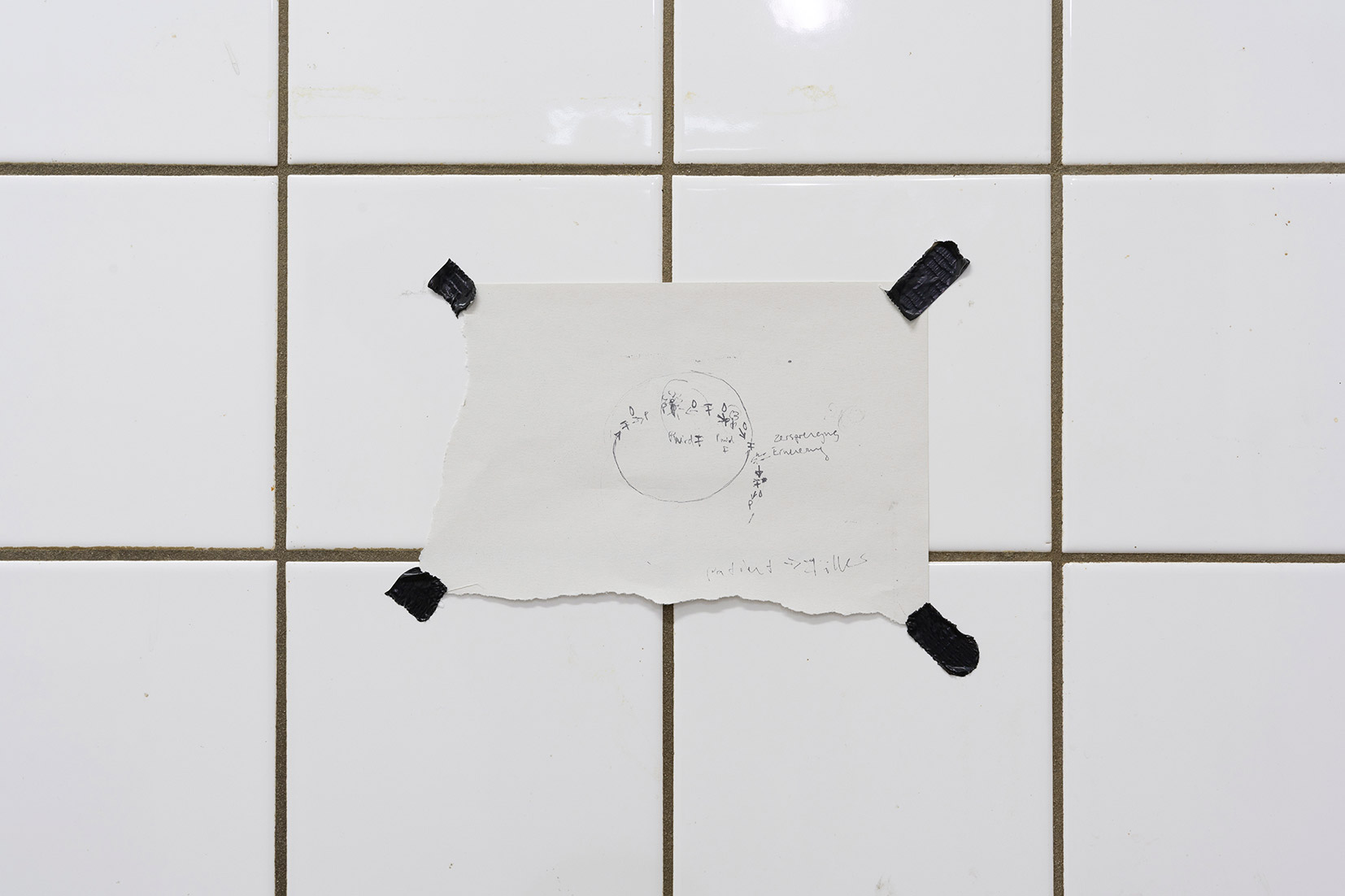
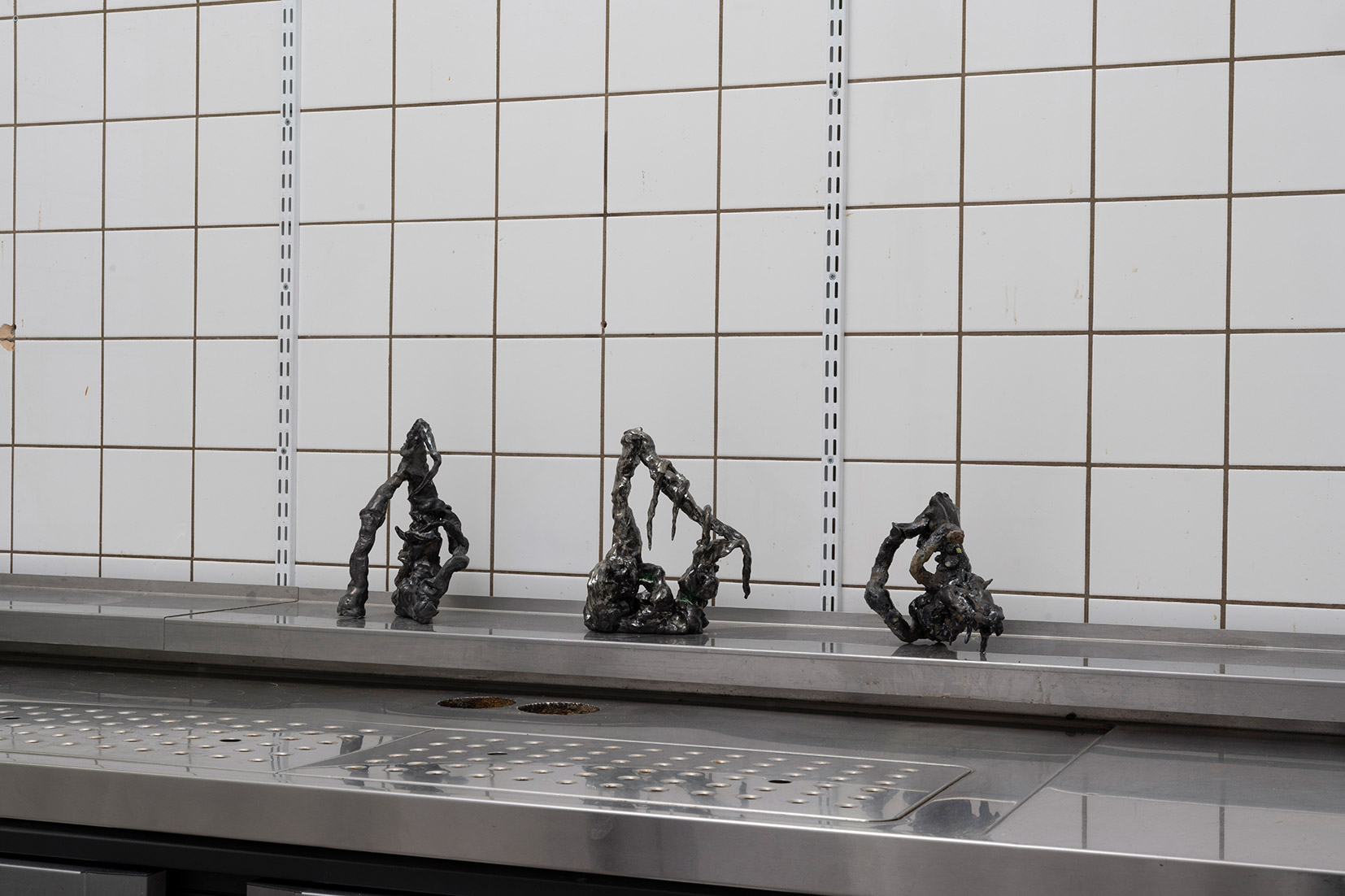
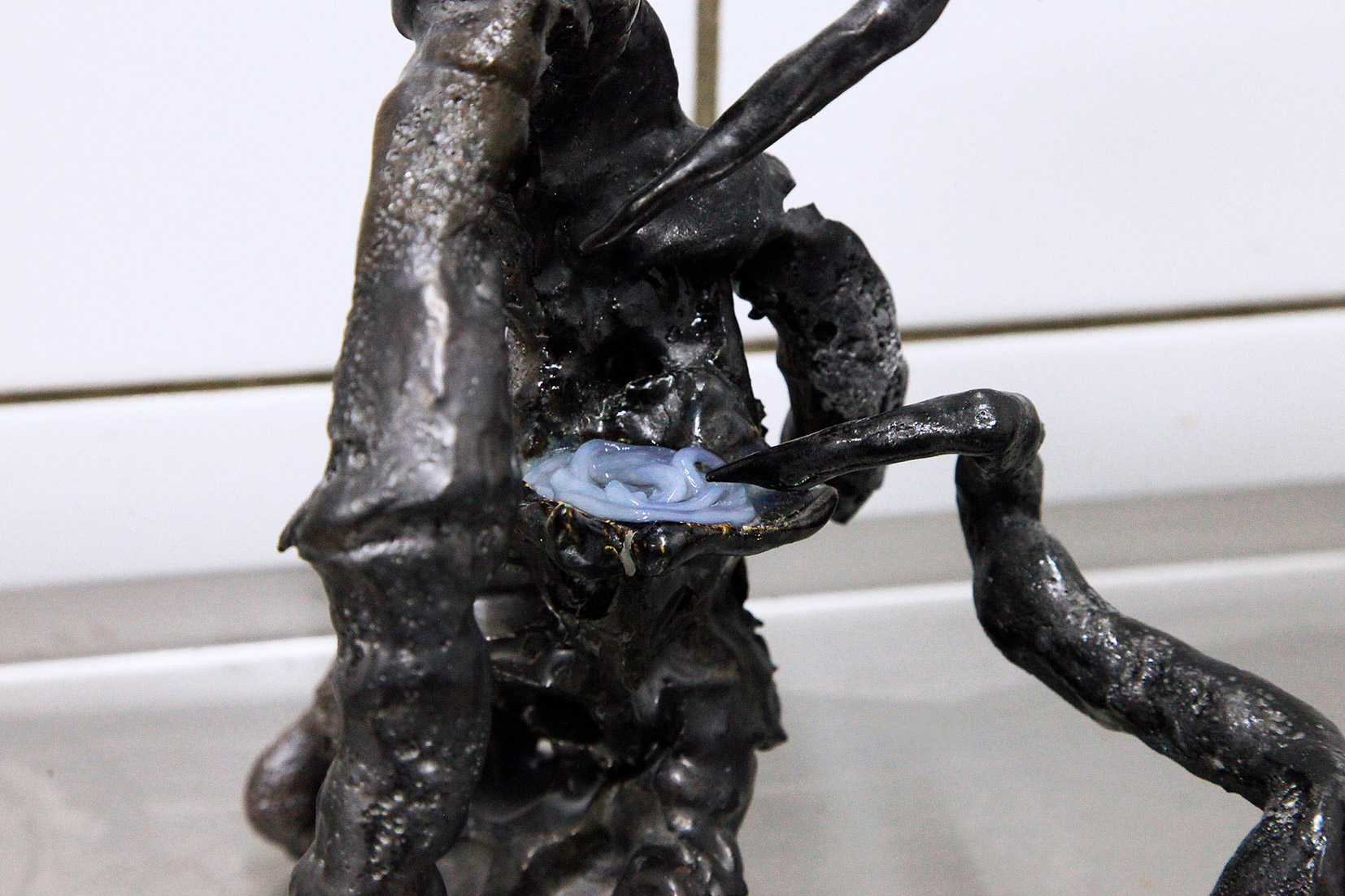
Katrina Schneider – Detonation
patients, fillers.
a game of symbio-parasitical metamorphosis.
the body as hole.
look behind. the syringe in your medulla.
invert yourself. turn the cannons. Exit !1radicalism.
the holed body.
‘ The vacuum remains: you stand in midcourse, shocked by the discovery, and those of you
who yearn desperately for the sweet unawareness of the cultural house of bondage
cry out to return there, to the sources, but you cannot go back, your retreat is cut off,
the bridges burned, so you must go forward ‘ Golem XIV
“The problem of mitosis is located in the tendency of the identical.
Divided is the split.
An explosion that occurs in humanity dissected down to the minute-to-minute or second-by-second, is in some sense a distillation of different urges and passions.
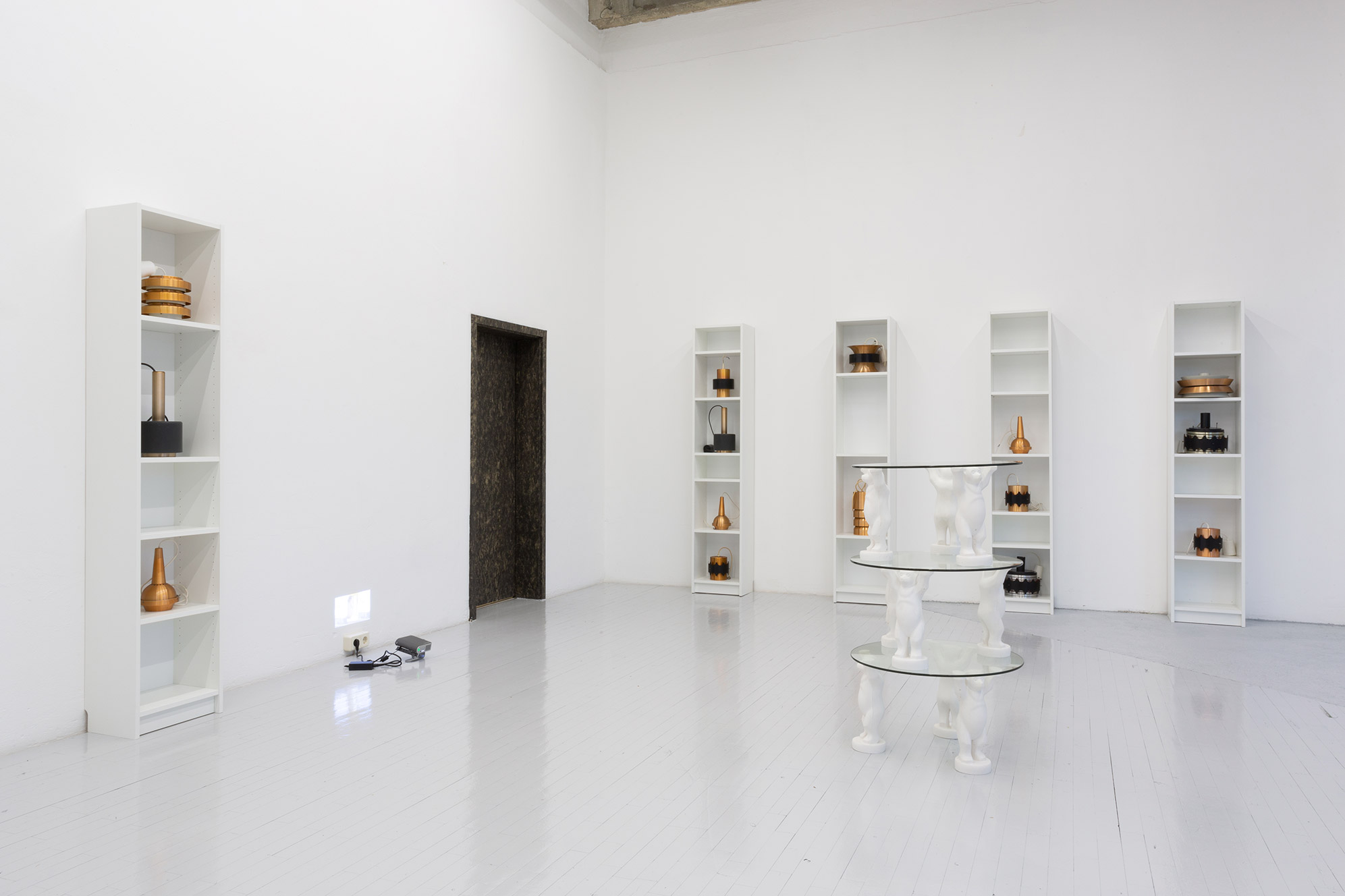
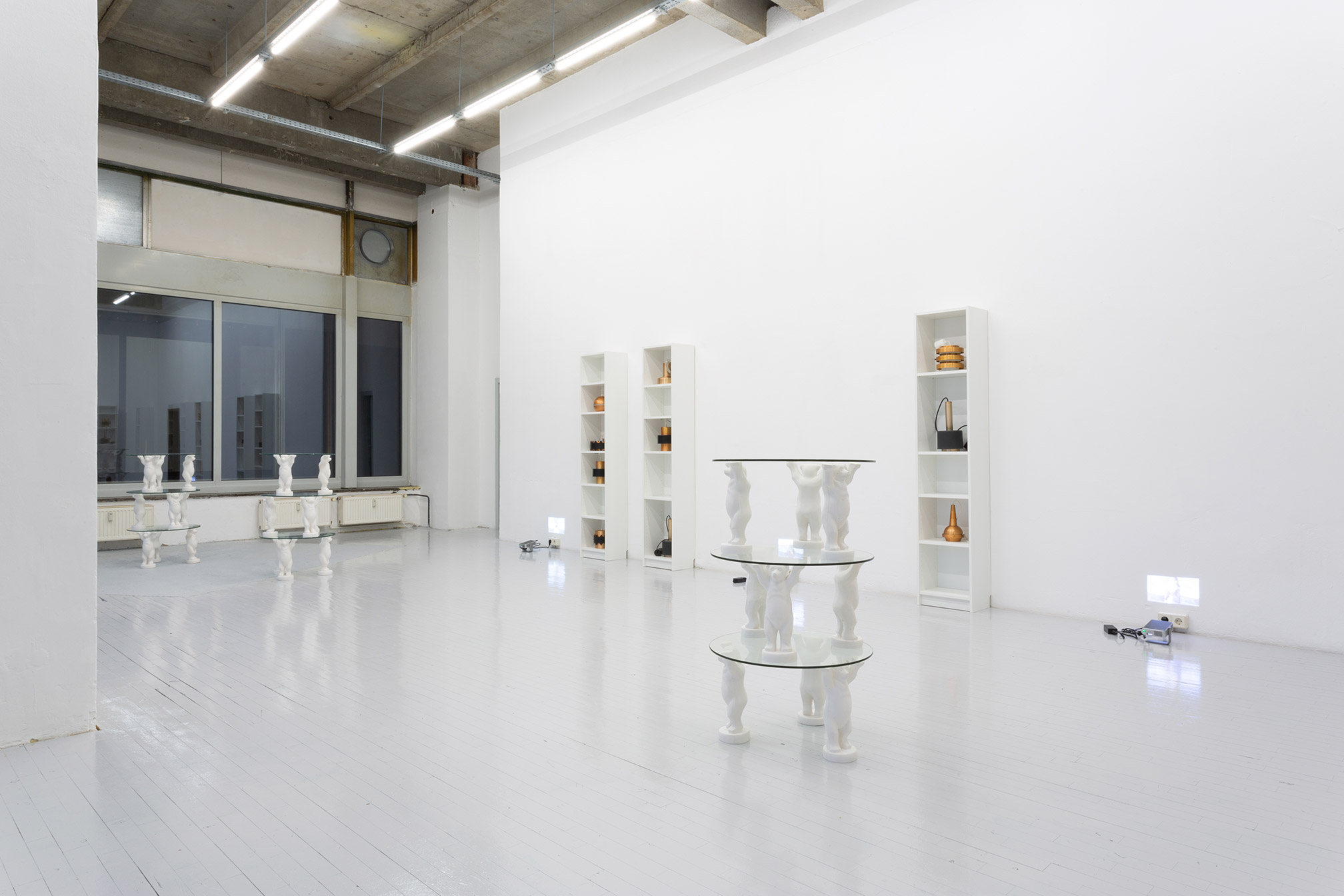
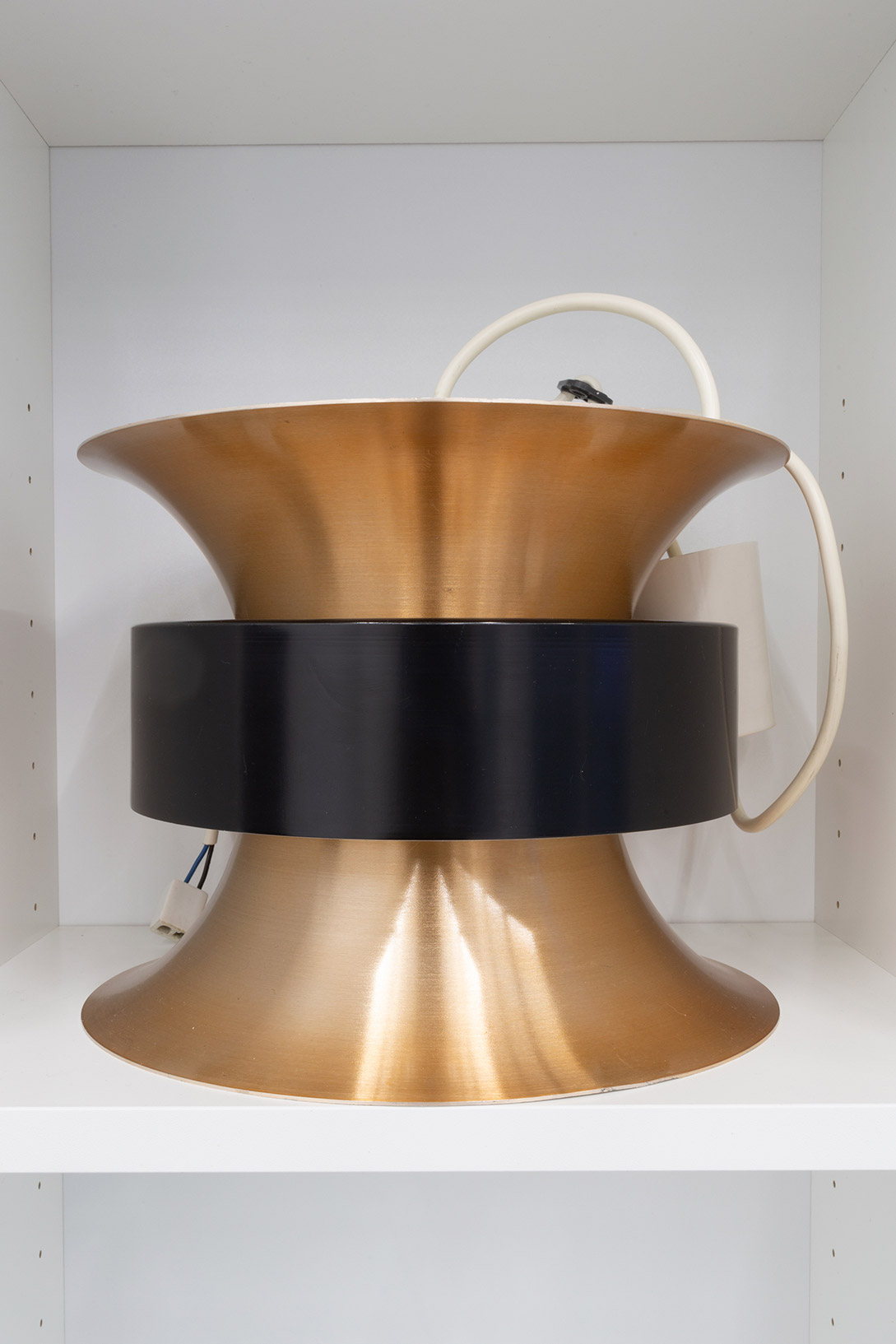
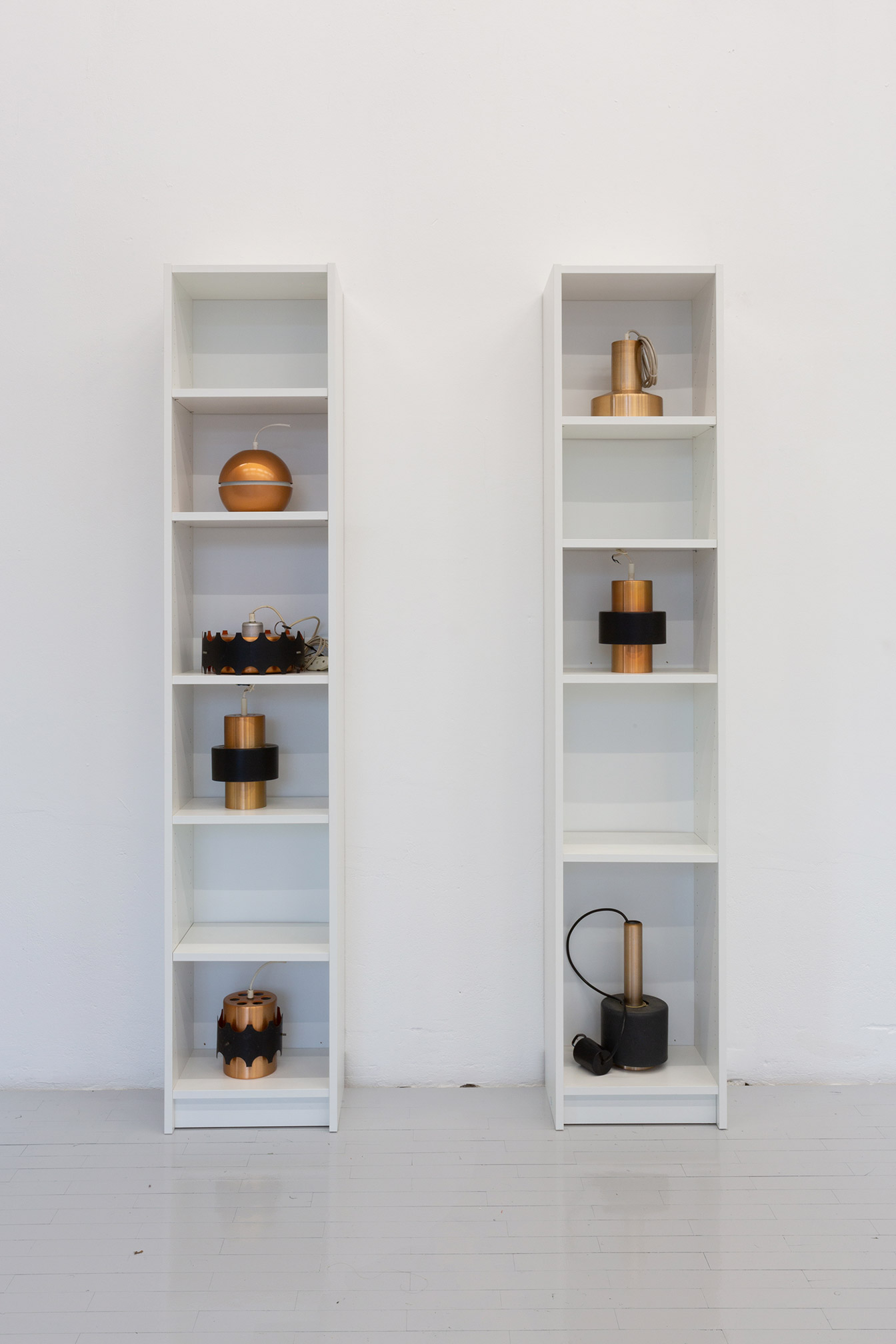
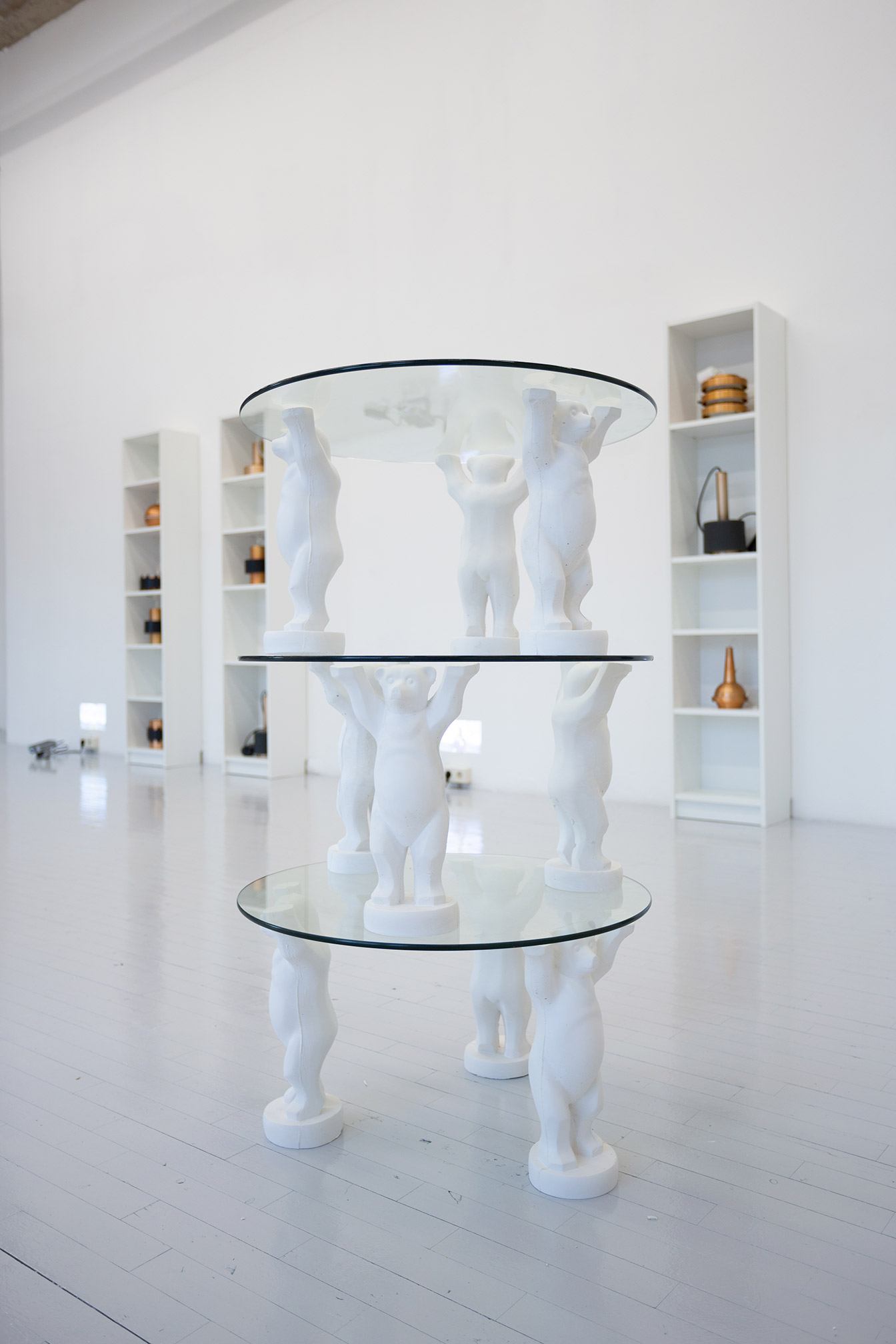
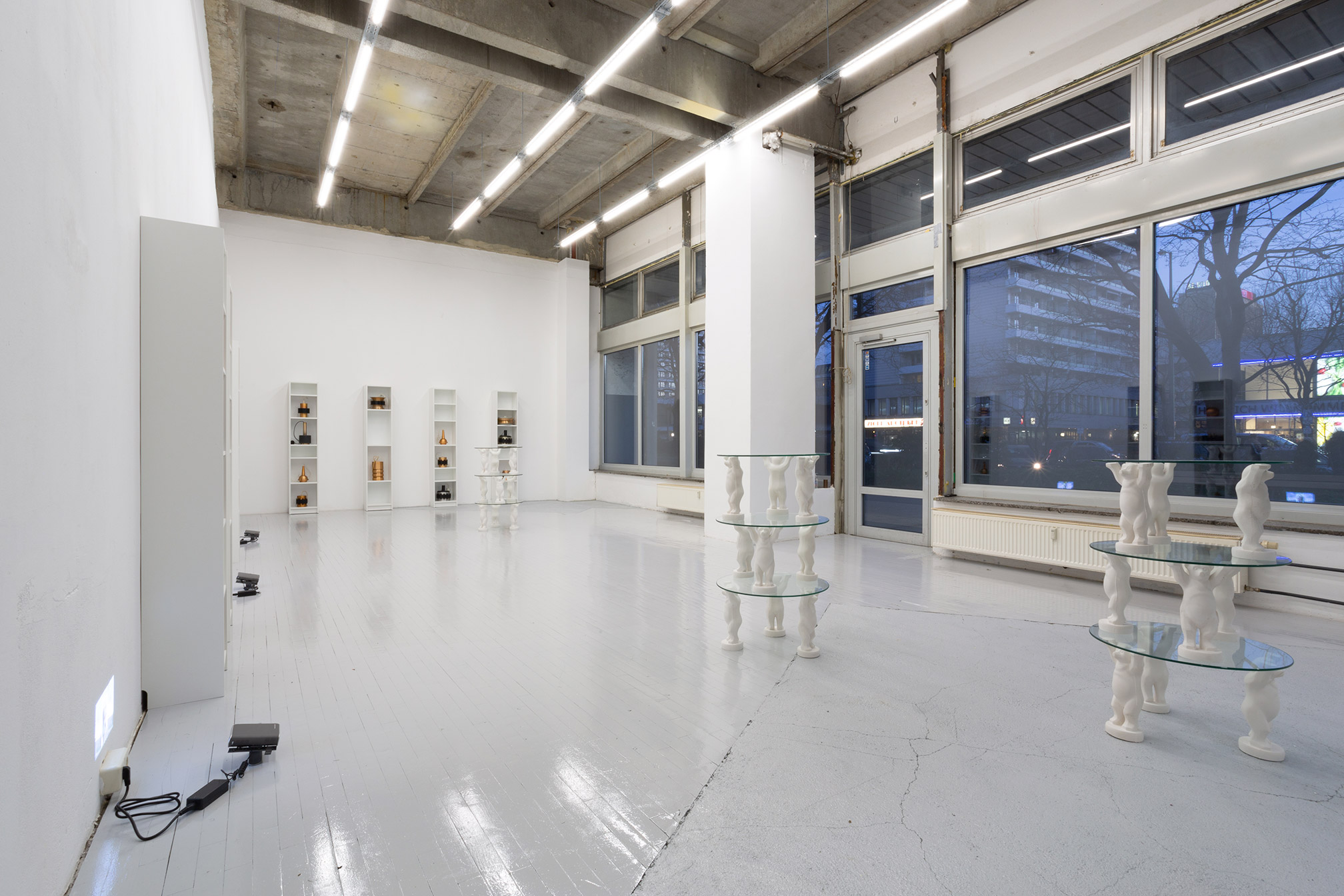
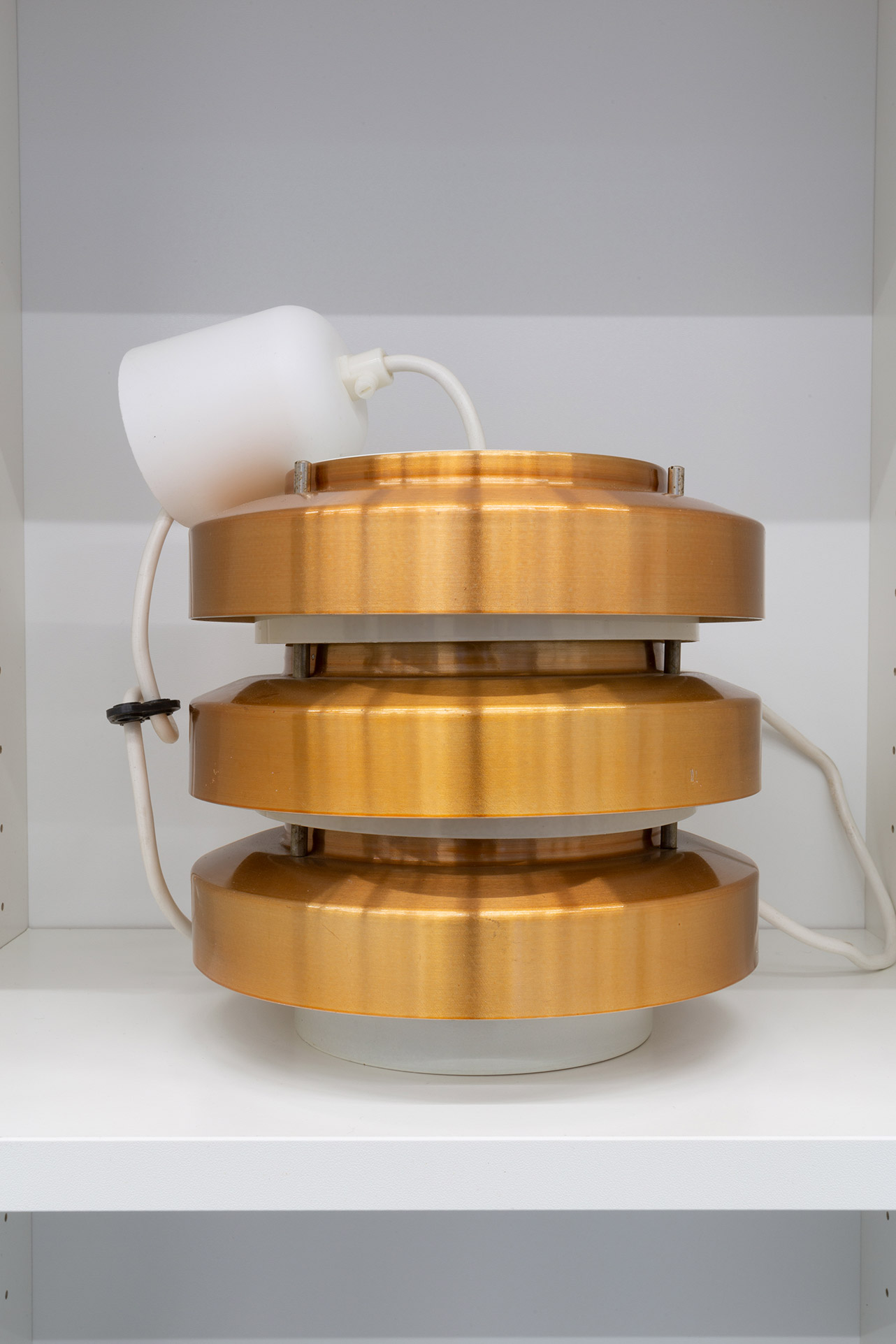
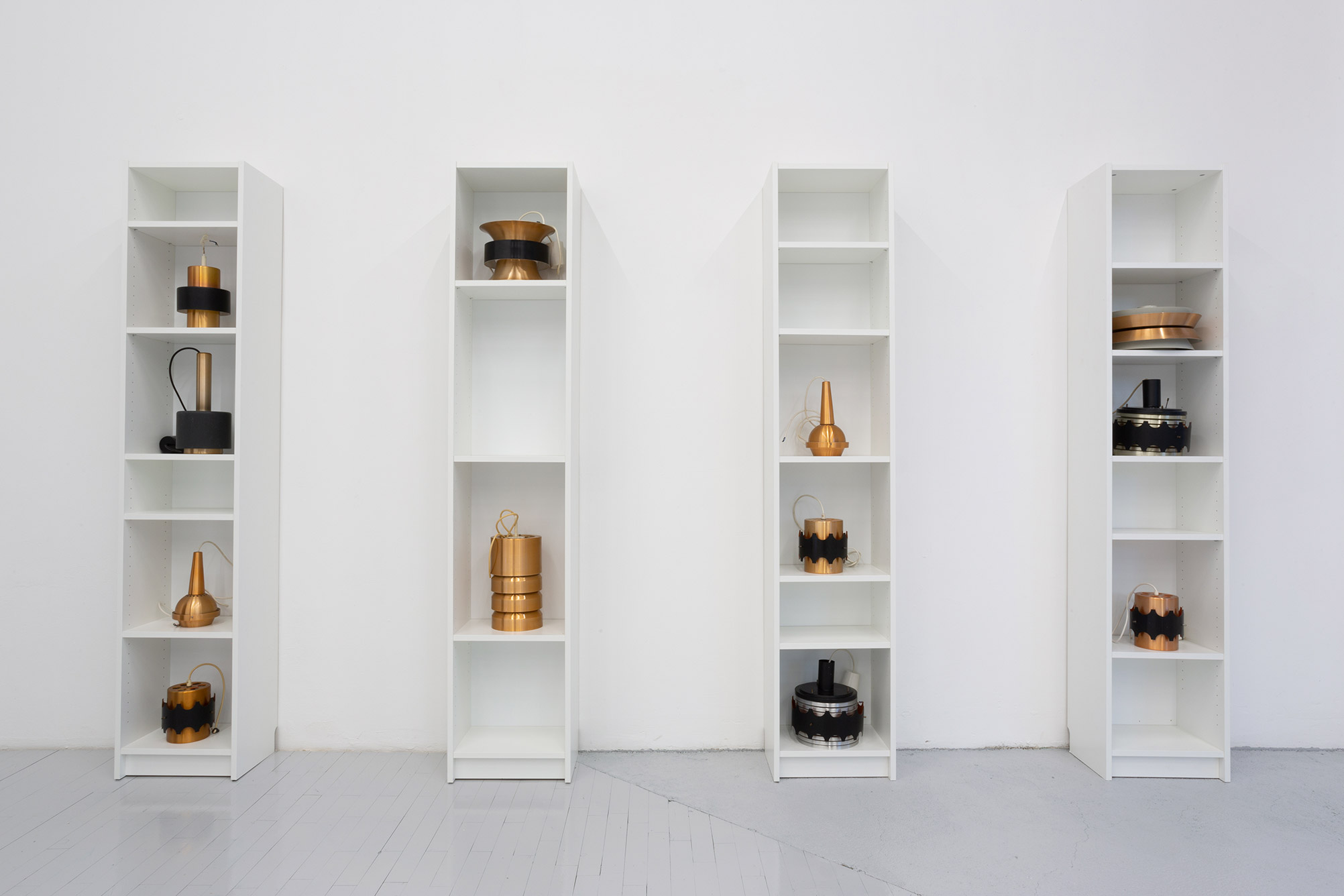
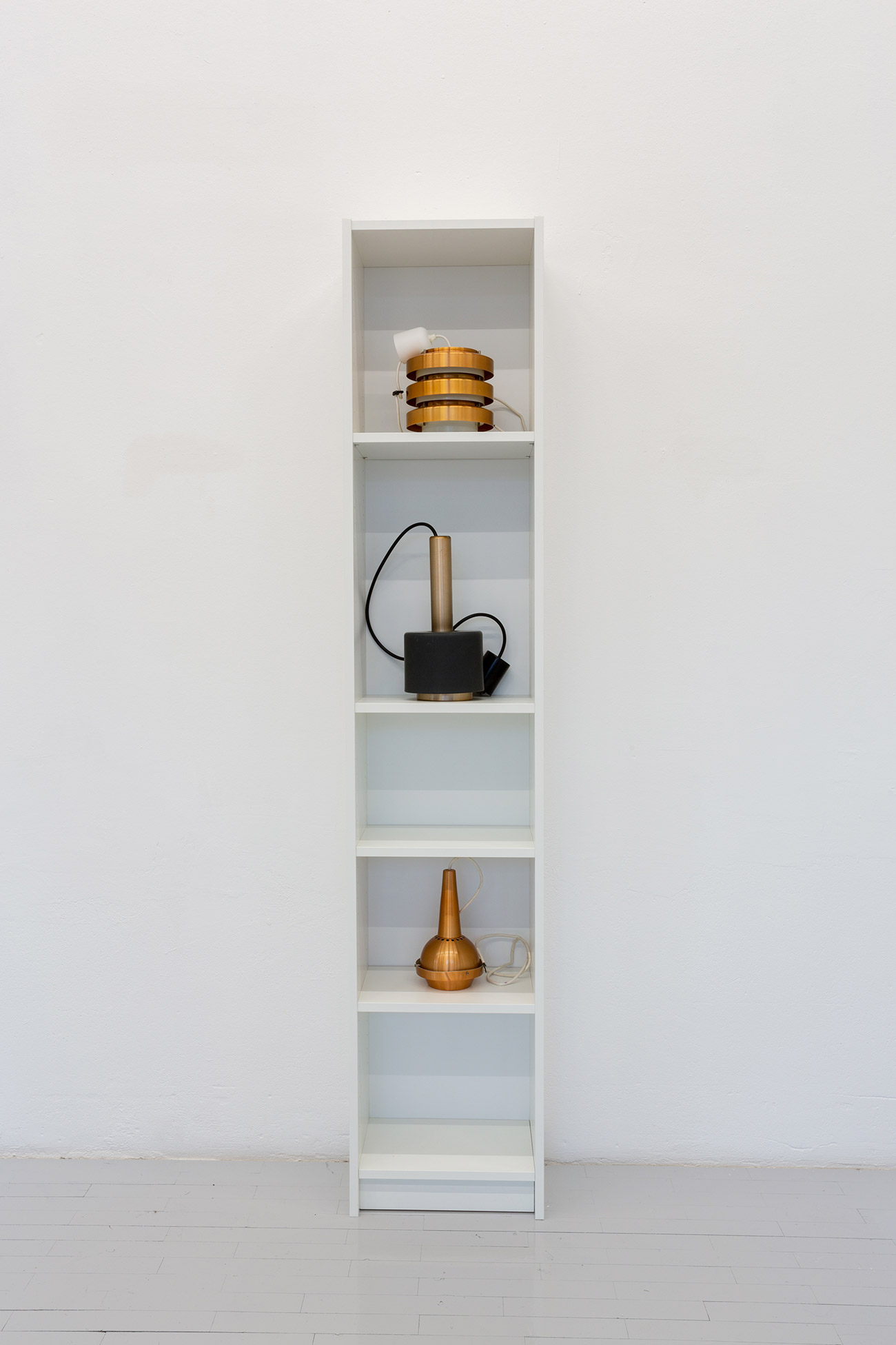
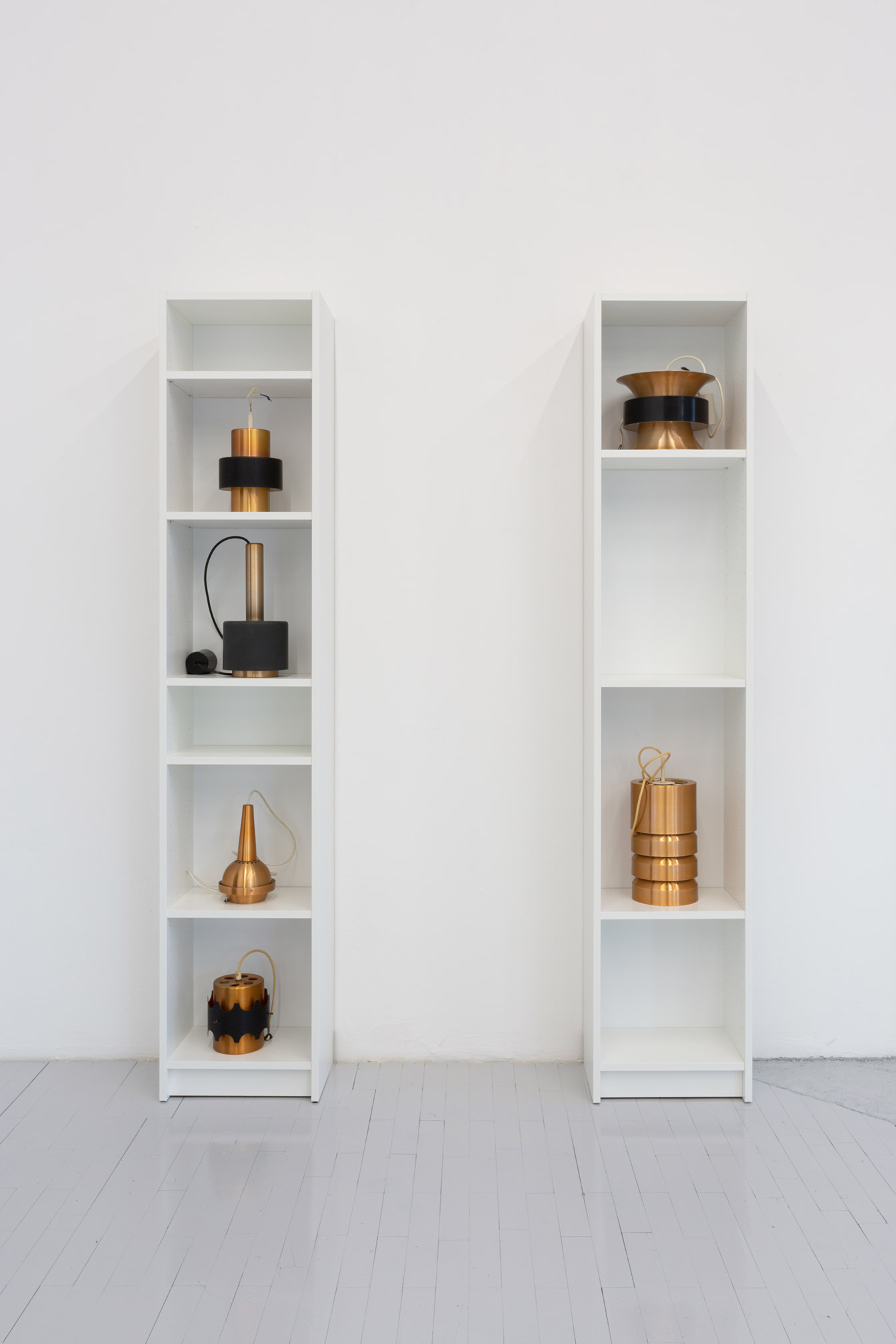
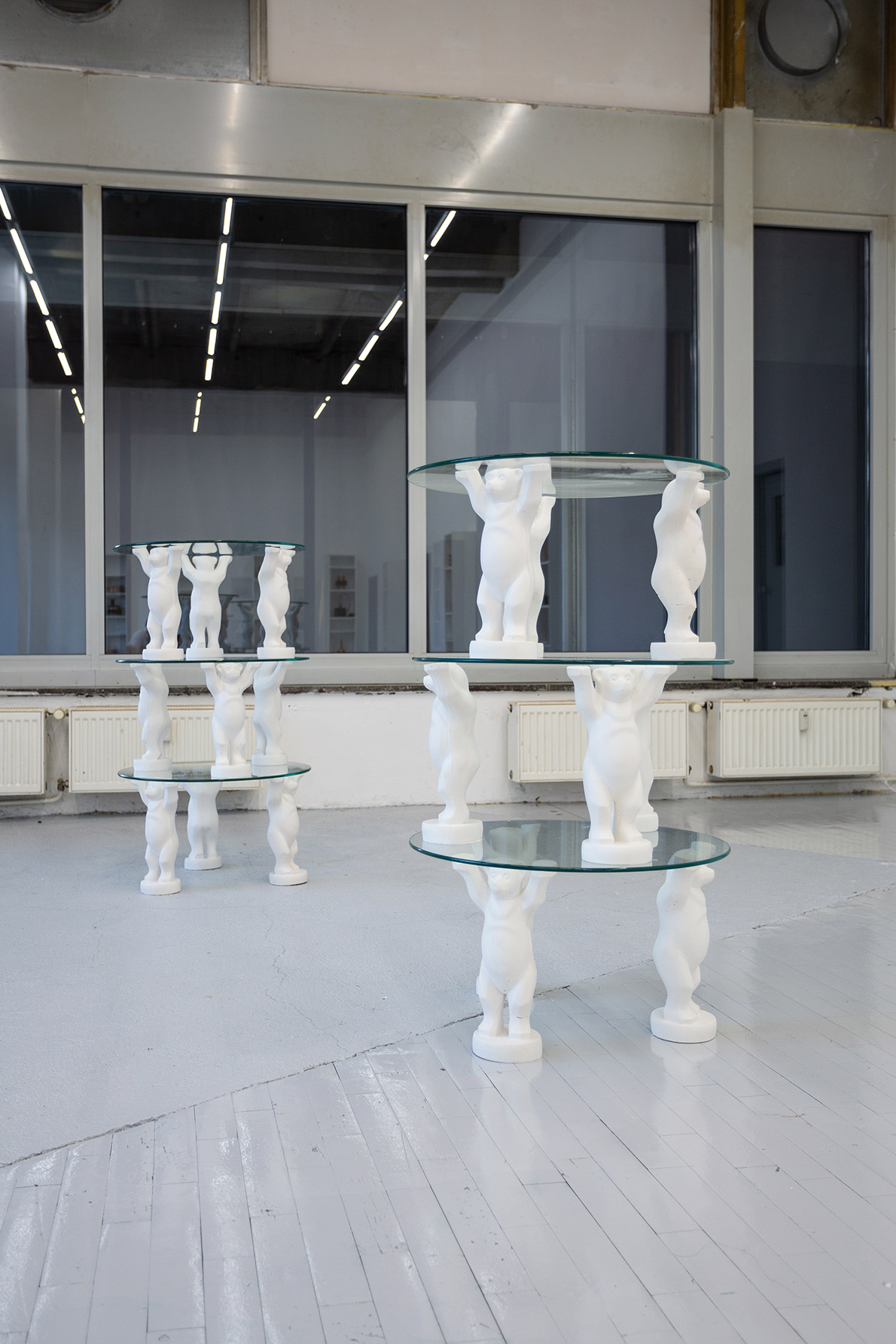
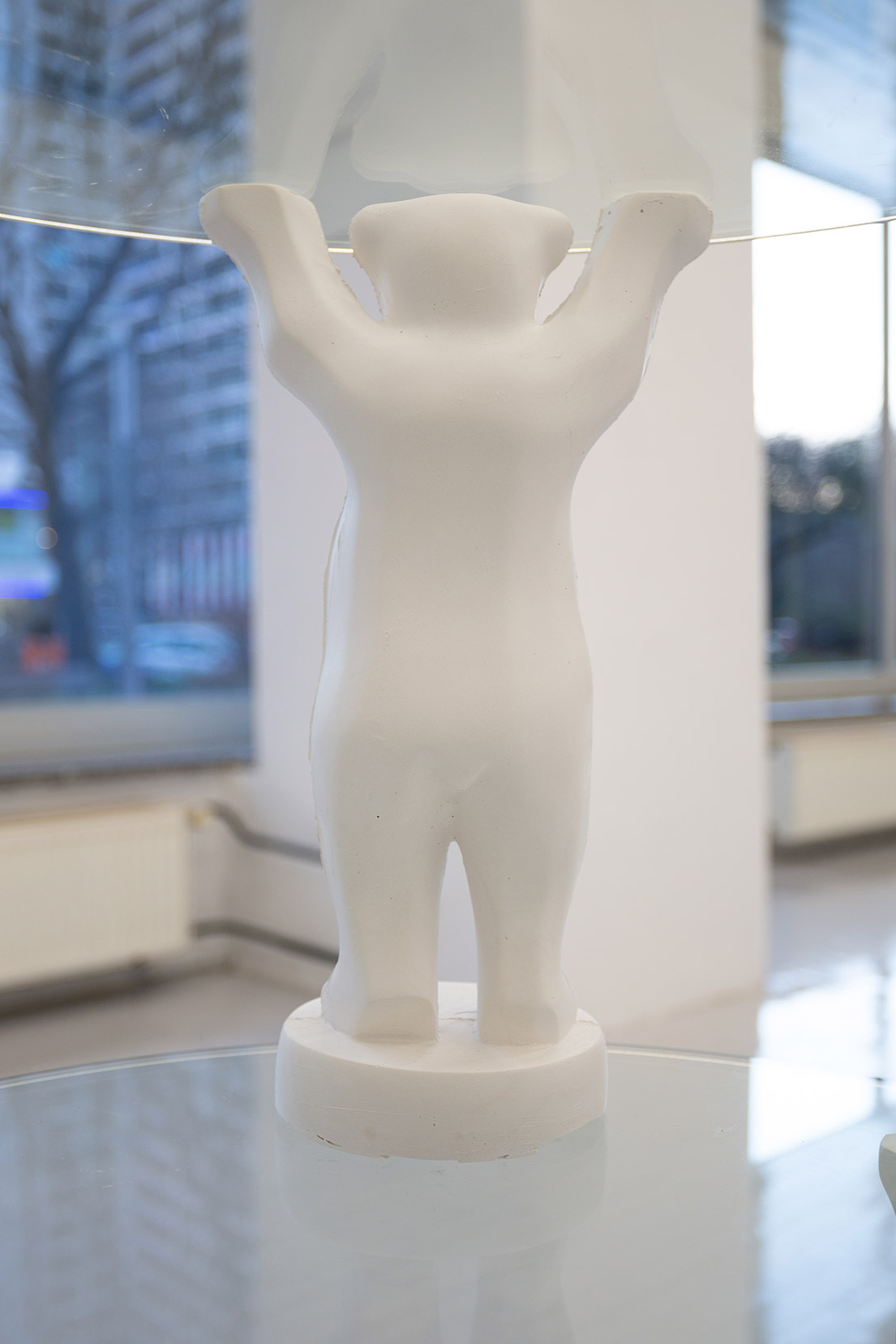
At Scherben, Eulitz has collected design objects of discrete historical origins and interwoven their contexts into a shared narrative. In this process, what is imperceptible of these object-histories is illuminated, having otherwise been unseen, misunderstood, or buried. Contained within their design and consumption are political ramifications of production, hidden in plain sight. Some of them (the VEB Halle pendant lights) are perhaps more glamorous than others (the United Buddy Bears and Ikea’s Billy bookshelves). Having transposed the exhibition’s milieu, social tensions come to the fore, reminding us that if we want to make sense of our world, overcoming our longing for Gemütlichkeit, or hominess, is perhaps a necessary step.
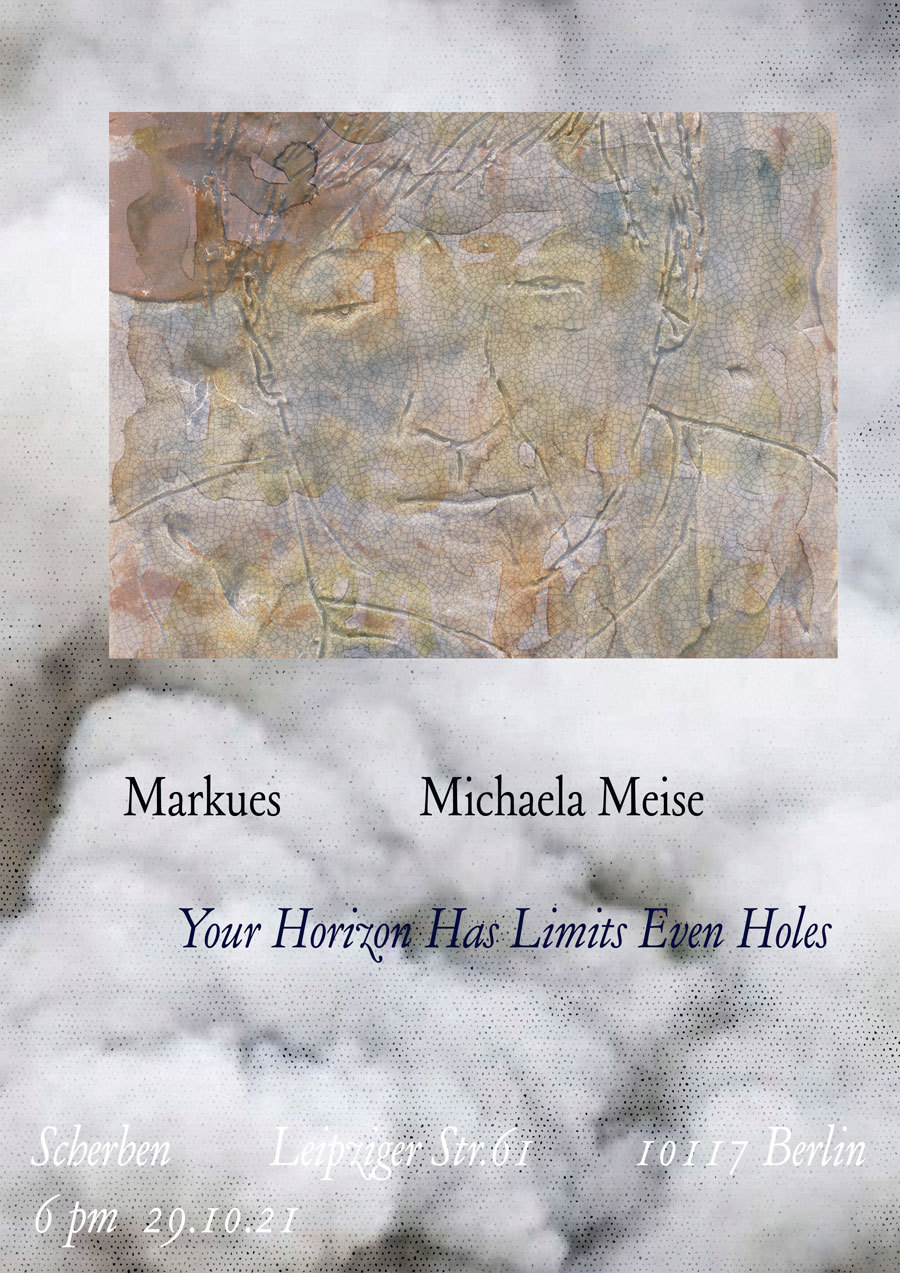
Markues & Michaela Meise – Your horizon has limits even holes.
Your horizon has limits even holes.
You can close your eyes. Trans Columns. The past will catch you up if you run faster. Portrait of Luce Irigaray. My shop is the face I front. We walk the same line.
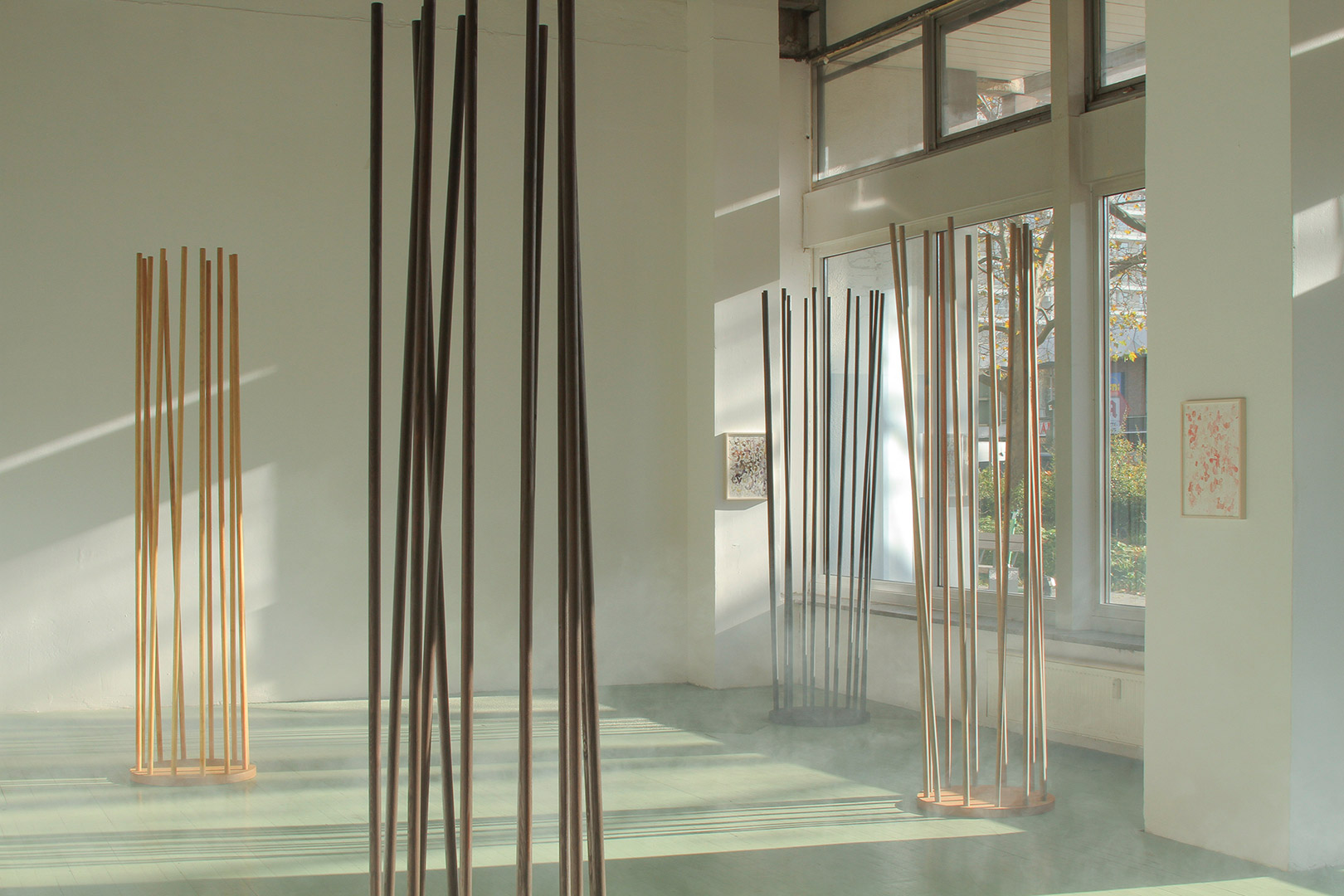
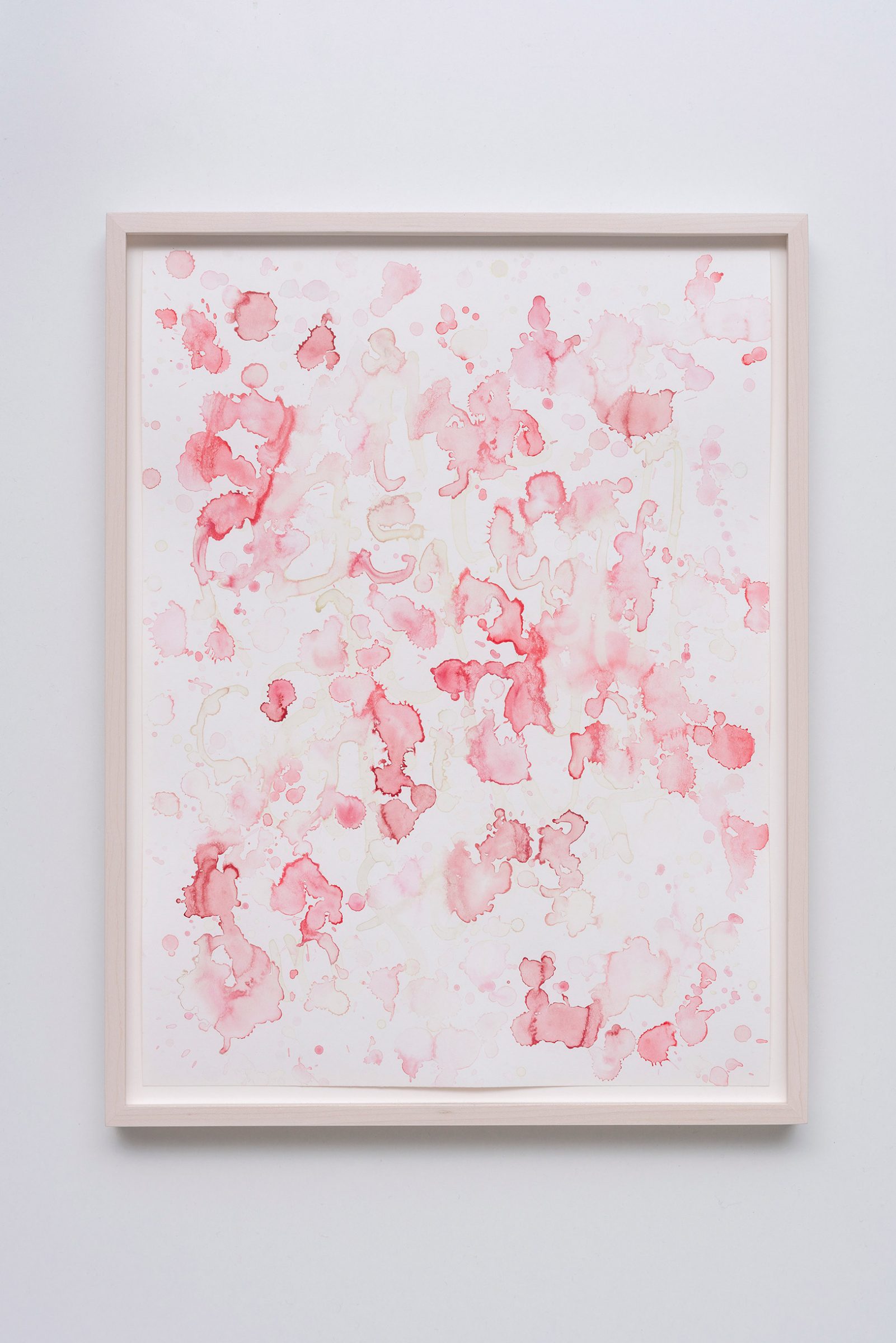
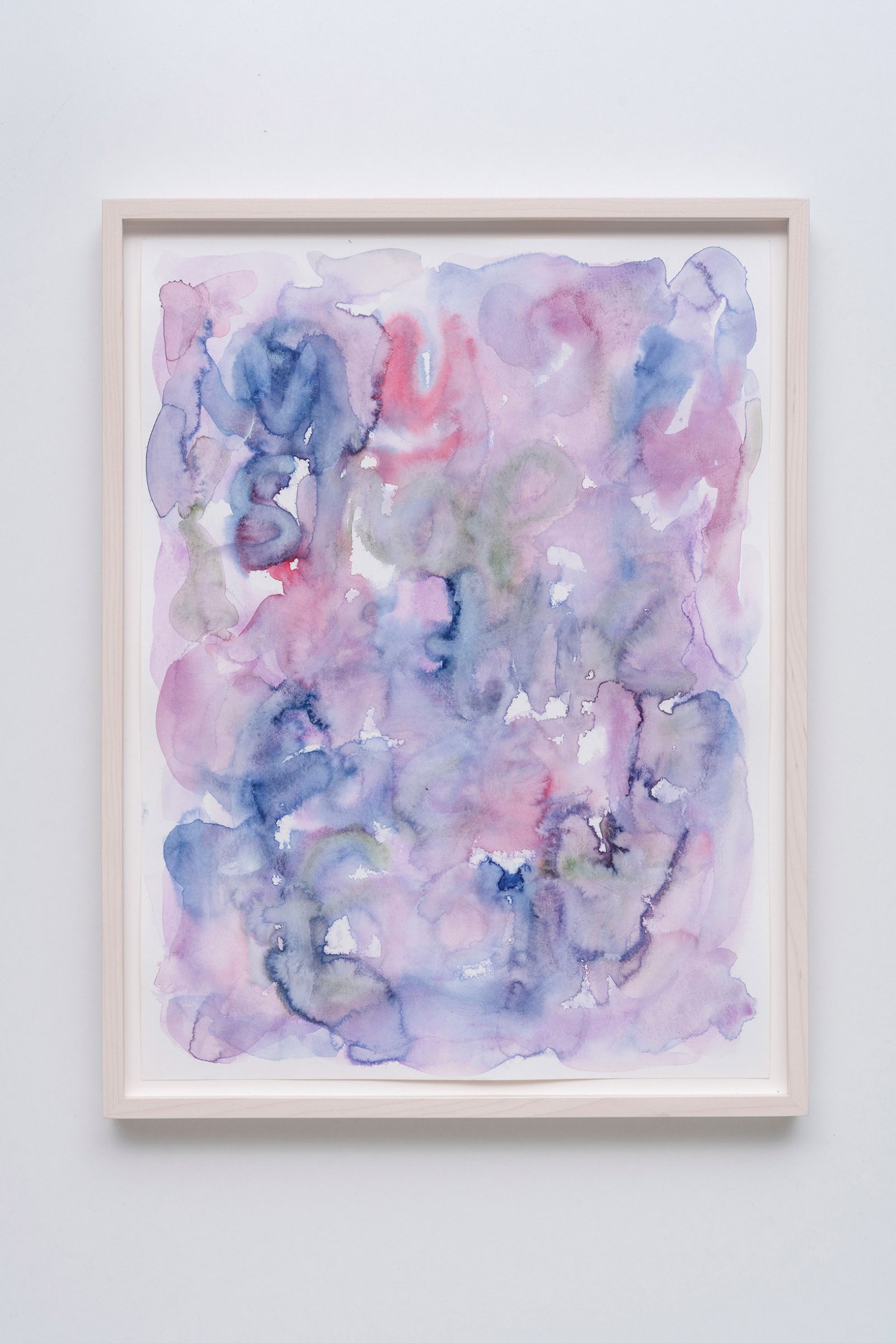
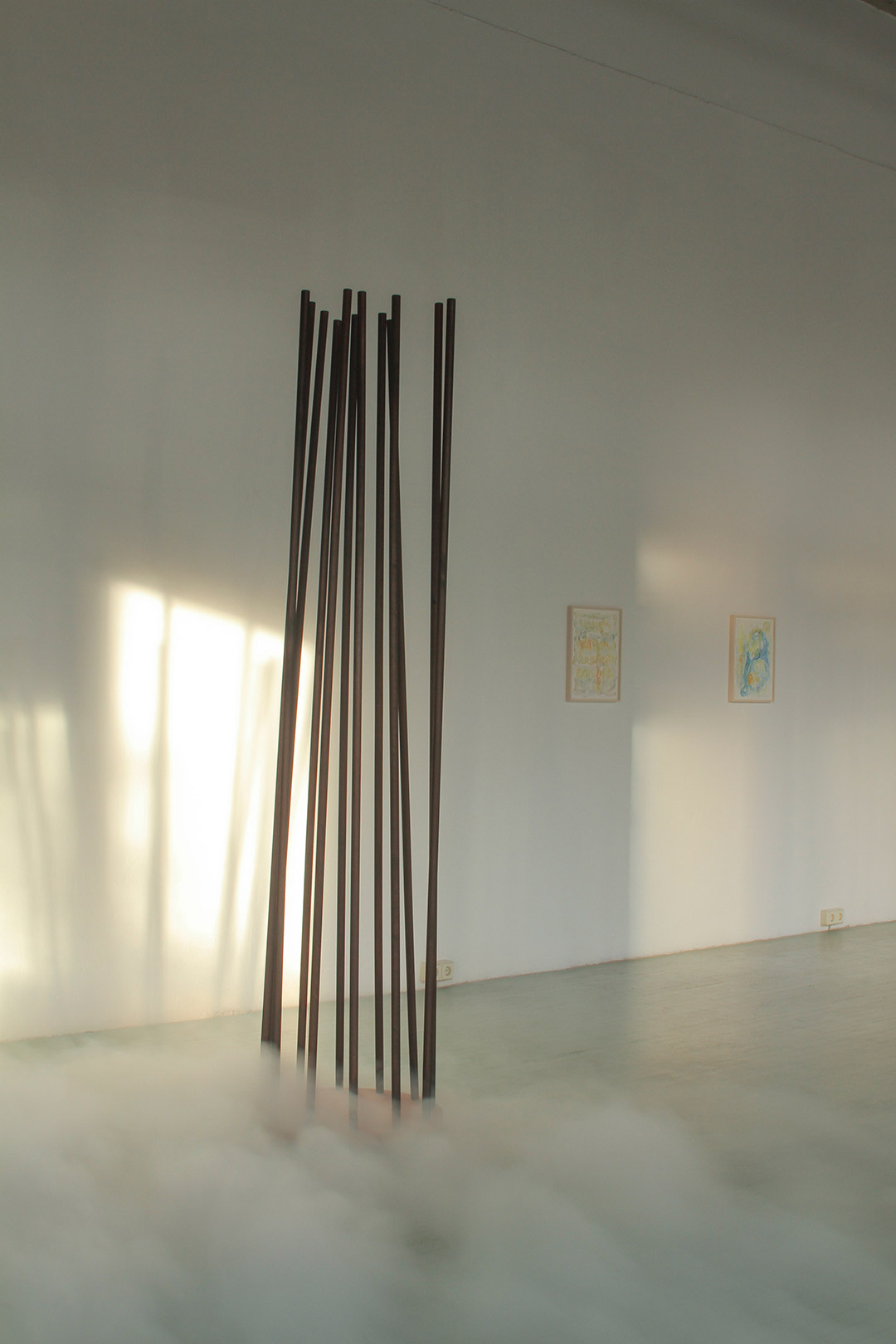
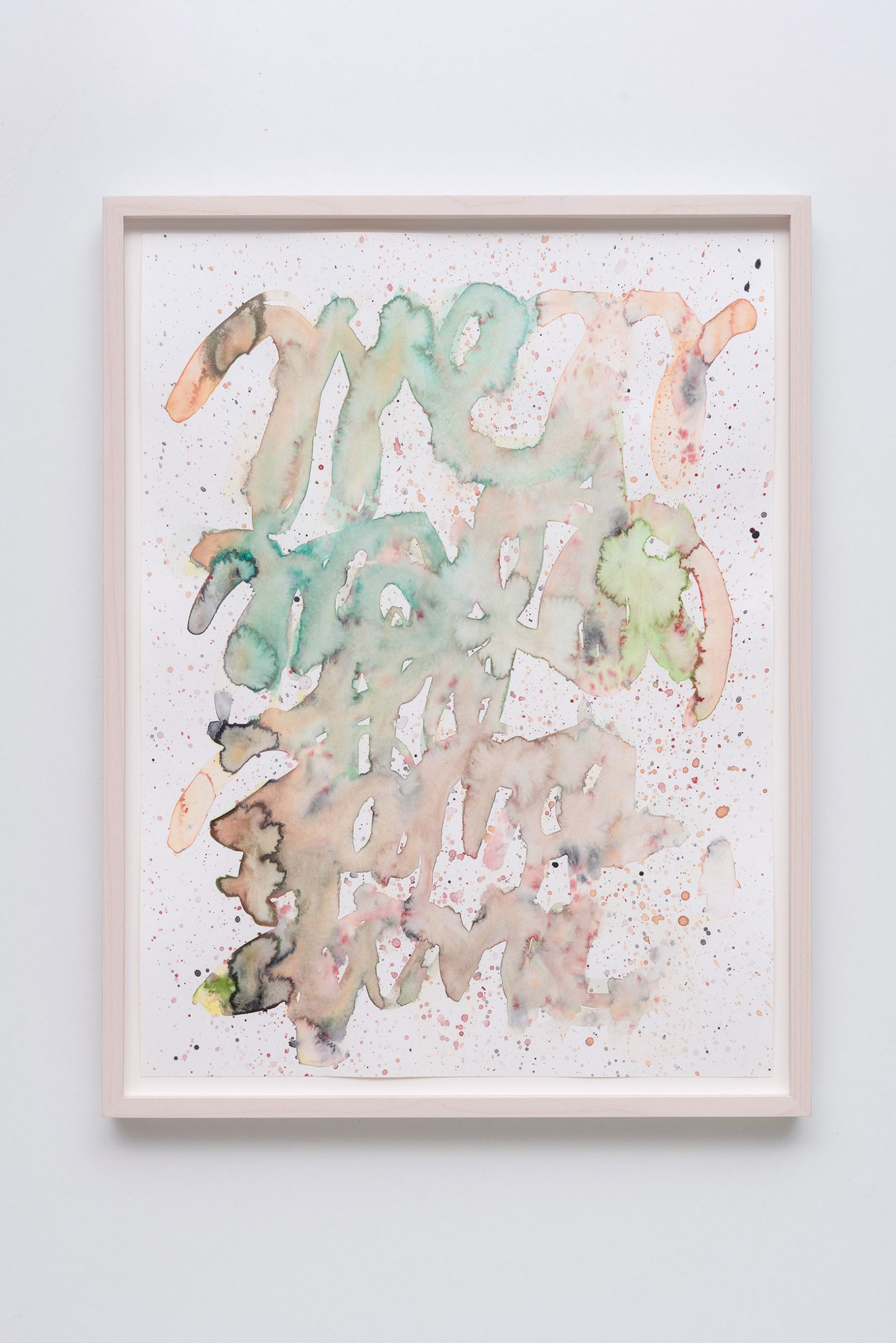
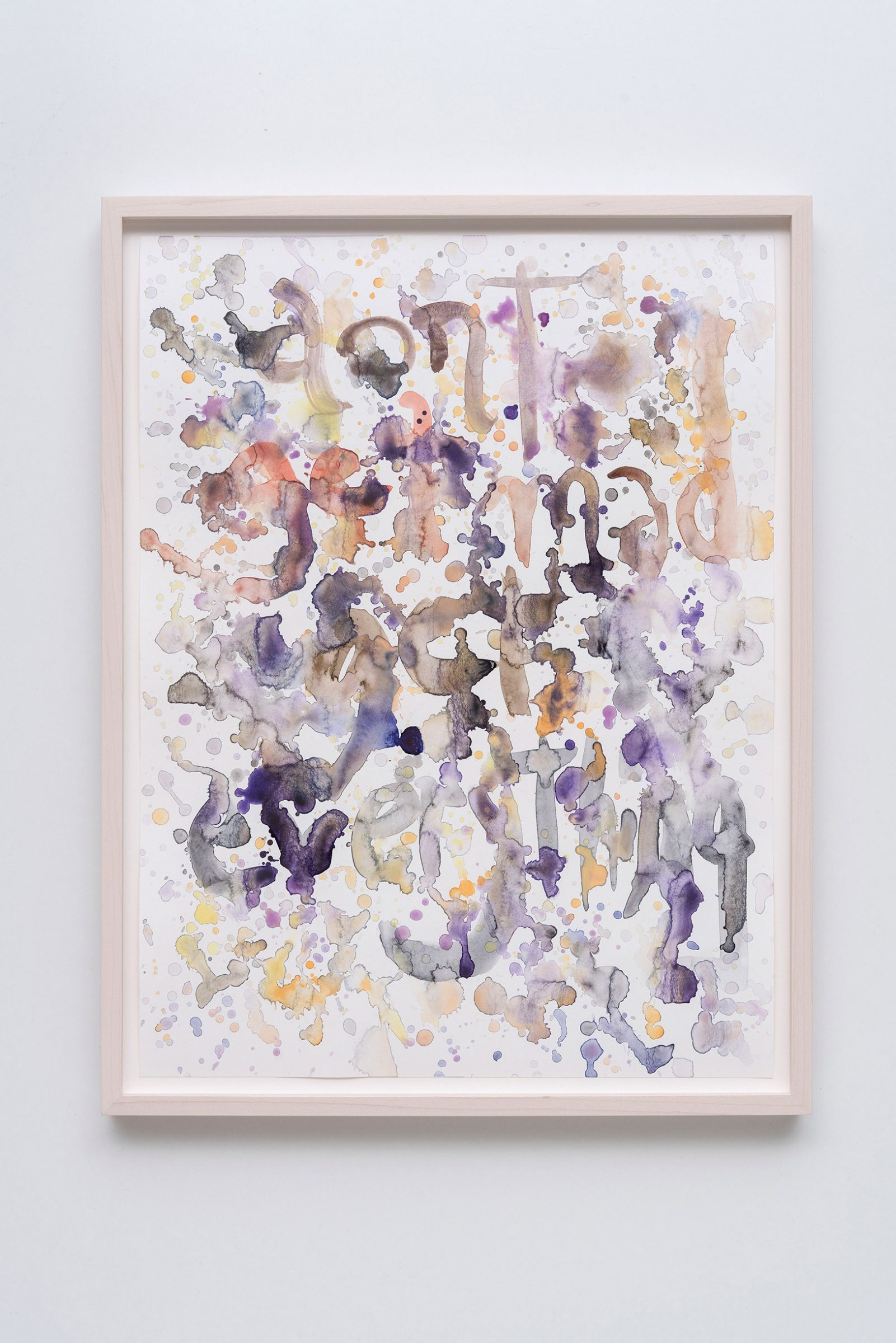
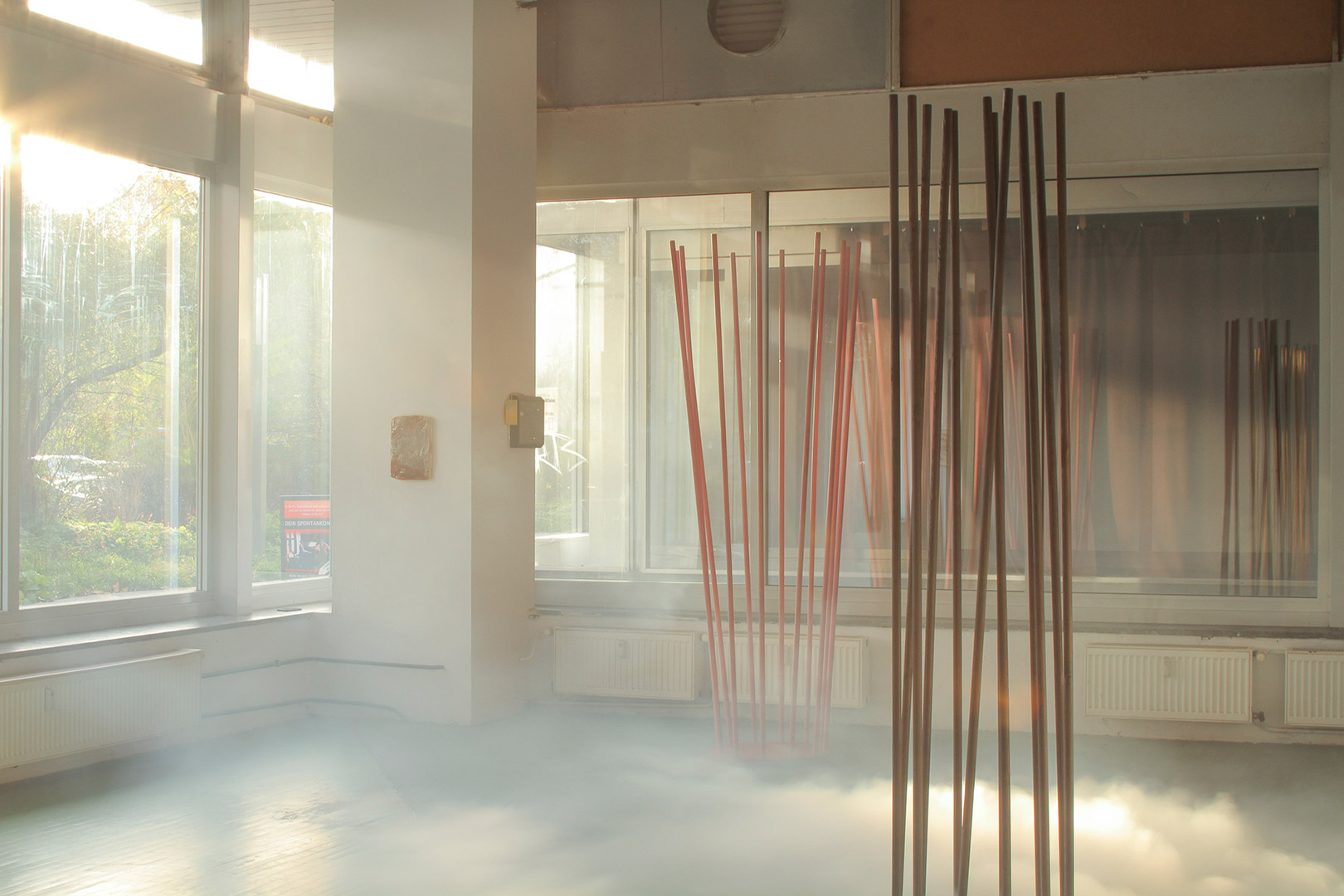
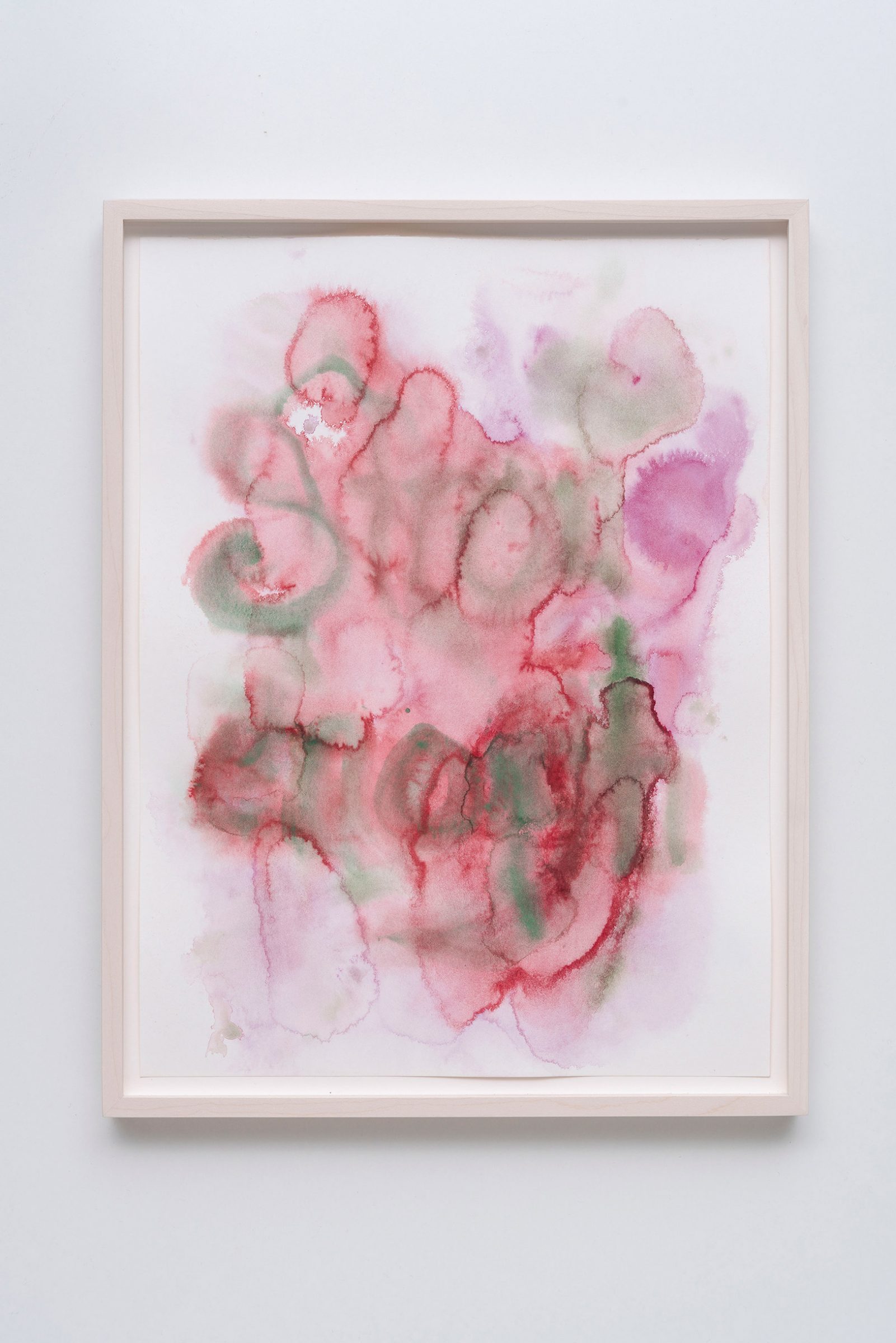
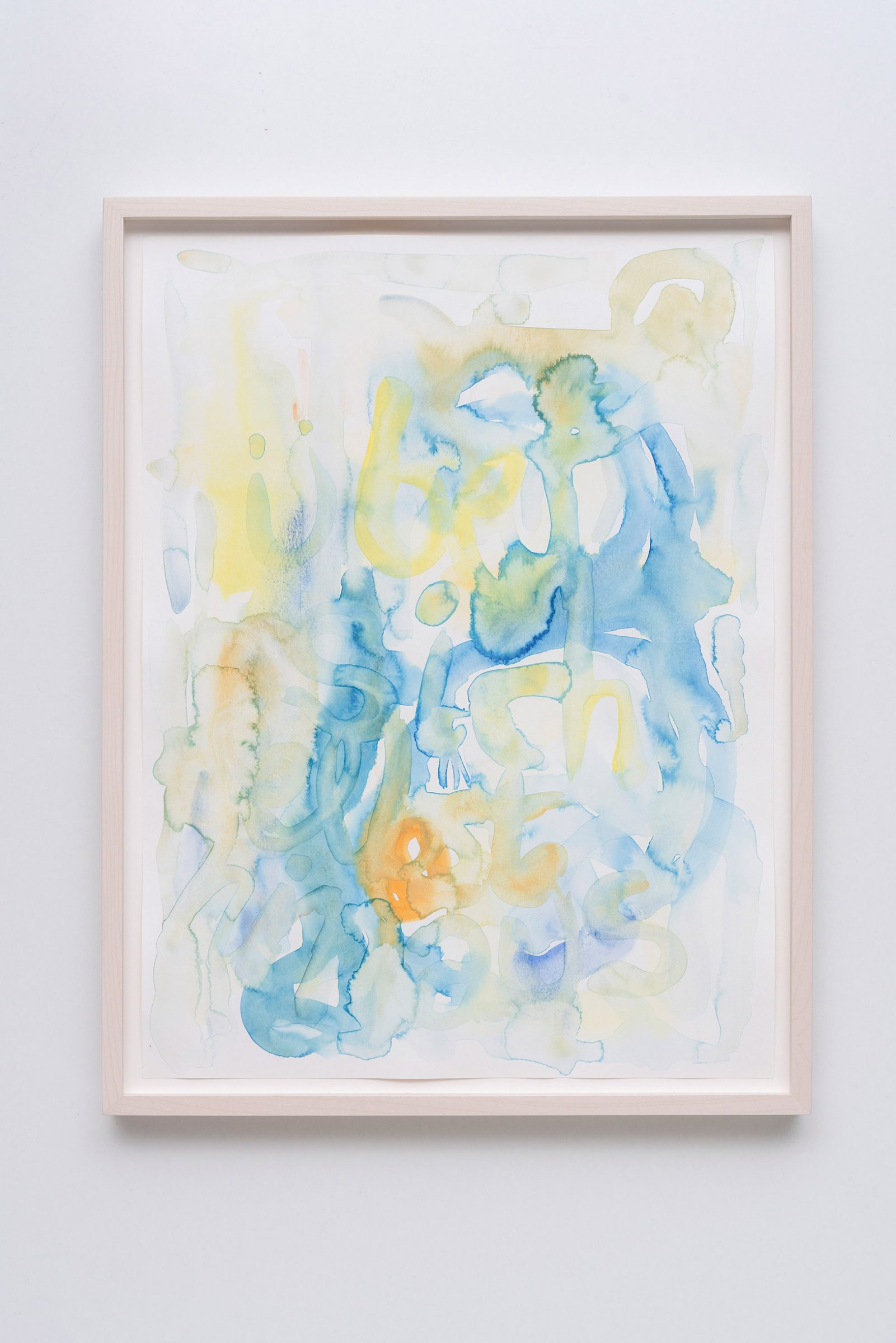
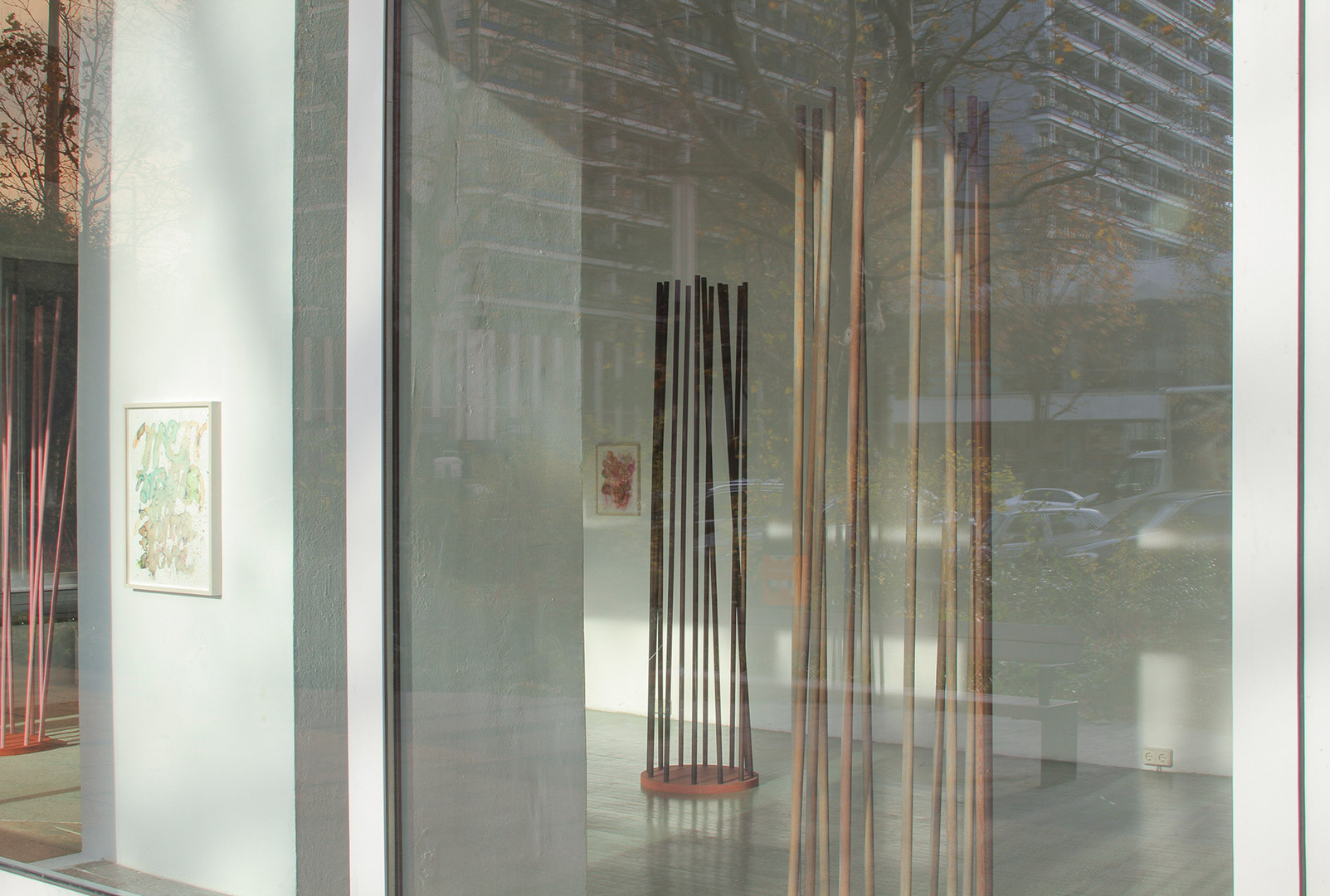
A layer of fog occasionally spreads over the floor of the exhibition space at Scherben. It floats gently through the rods of Michaela Meises Trans Columns, rises slowly into the heights of the room, and interposes a soft blur before the watercolors in Markues’s series For the Men & the Others. An atmosphere somewhere between fantasy film, night club, and calculated effect results, which unites the works while also making the distance between them and the viewer tangible. A similar ambiguity characterizes the Trans Columns themselves. Developed in 2009 in the aftermath of the global financial crisis, the sculptures transform the column, typically a symbol of stability in patriarchal society, into something mobile. Without a roof to support, they become permeable.
In their attempts to undermine the certainty and stability of meaning in patriarchal society in favor of the fluid and mercurial, both Markues and Michaela Meise have looked to the writing of feminist psychoanalyst and philosopher Luce Irigaray. The title of the exhibition, as well as one of Markues’s watercolors, Your Horizon Has Limits Even Holes, is a quotation from Irigaray’s work. Through her attention to bodily experience and engendered perception, she acknowledges the particularity of each individual without forgetting our shared connections.
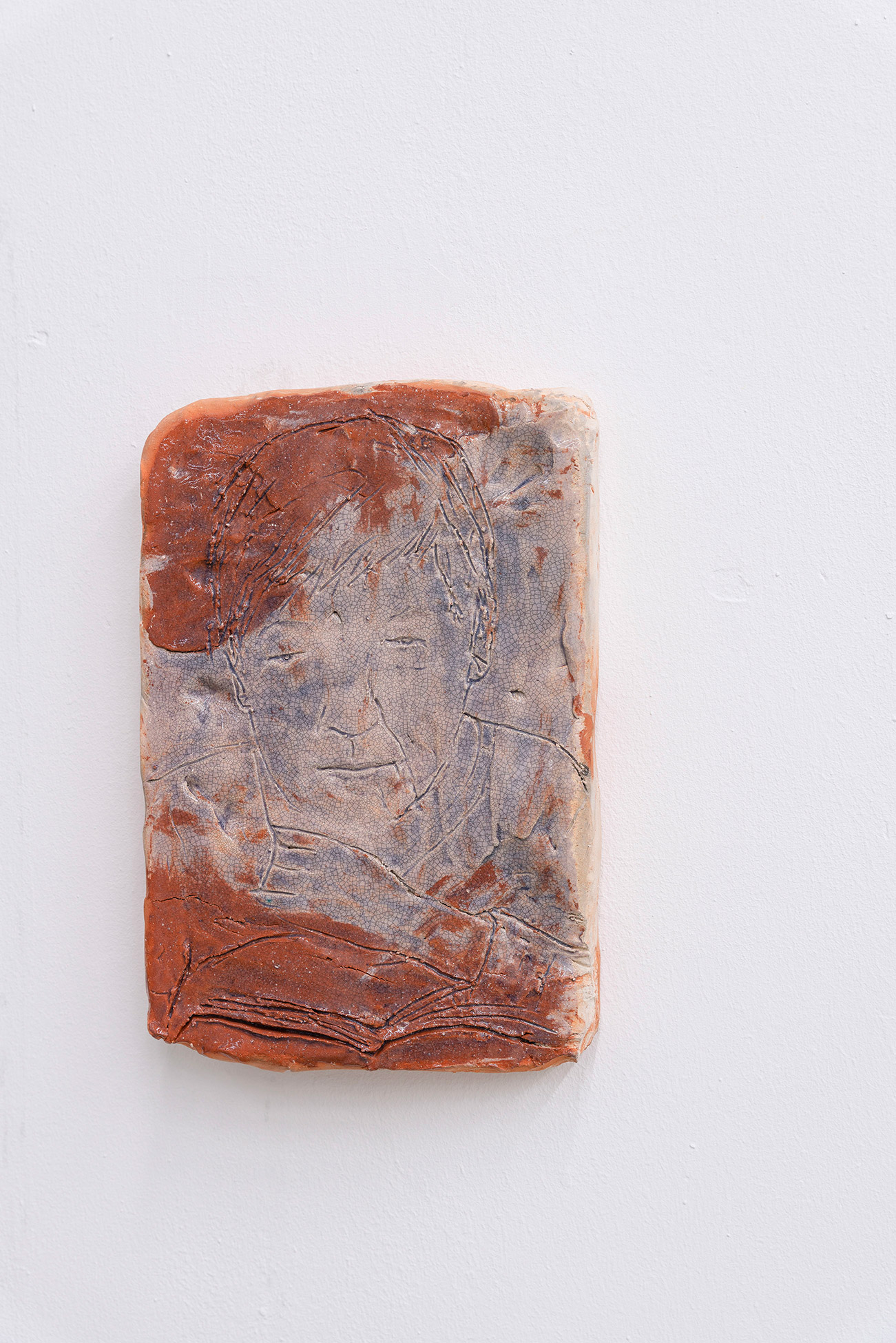
Irigaray’s approach to language is mirrored in Markues’s watercolor series For the Men & the Others, in production since 2014. In each watercolor, the text is usually a quotation whose liquid script cannot be spoken, but is nevertheless open to examination. Painted in a gestural but antisubjective and deskilled fashion, the watercolors challenge the construction of subjectivity through both form and content. Because language comes from the other, it is not the subject who speaks; the subject is spoken. Alongside Markues’s watercolors hangs a ceramic relief portrait of Luce Irigaray made by Michaela Meise.
It depicts the philosopher reading a book — as she did while modeling for the portrait. On the 21st of November, there will be several readings in the exhibition space. During the readings, three sculptures by Michaela Meise will be installed for use as seating: Cheshire Cat and two Cheshire Kittens (all 2013). The exhibition is also accompanied by a commissioned text by Monilola Olayemi Ilupeju titled “The Lawn,” a poetic collage rethinking the concept of intuition.
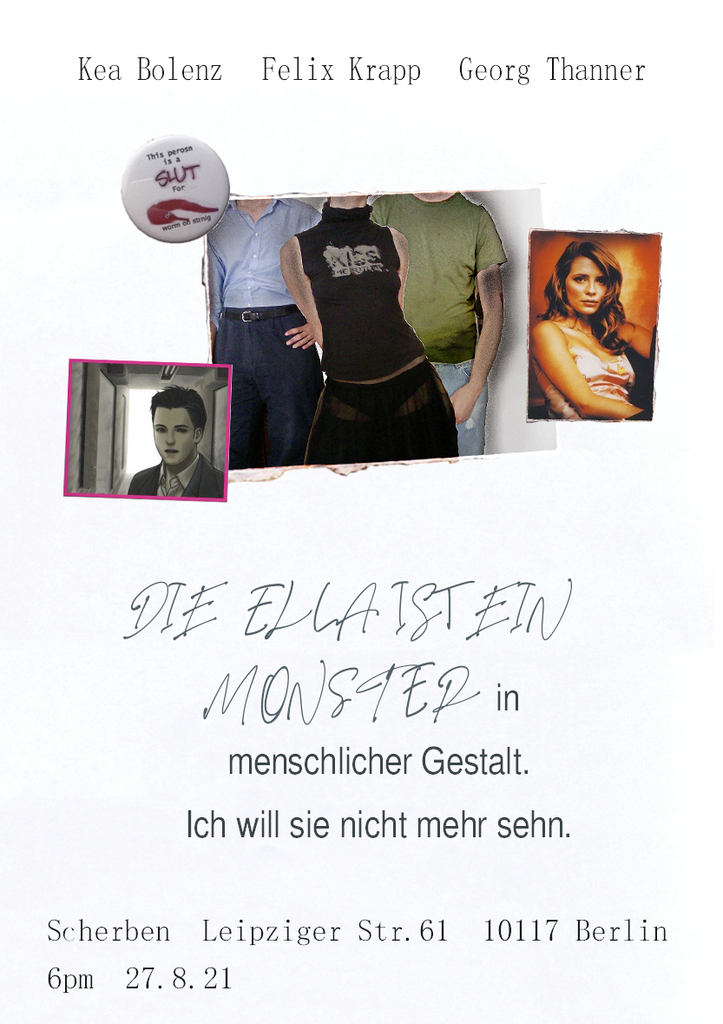
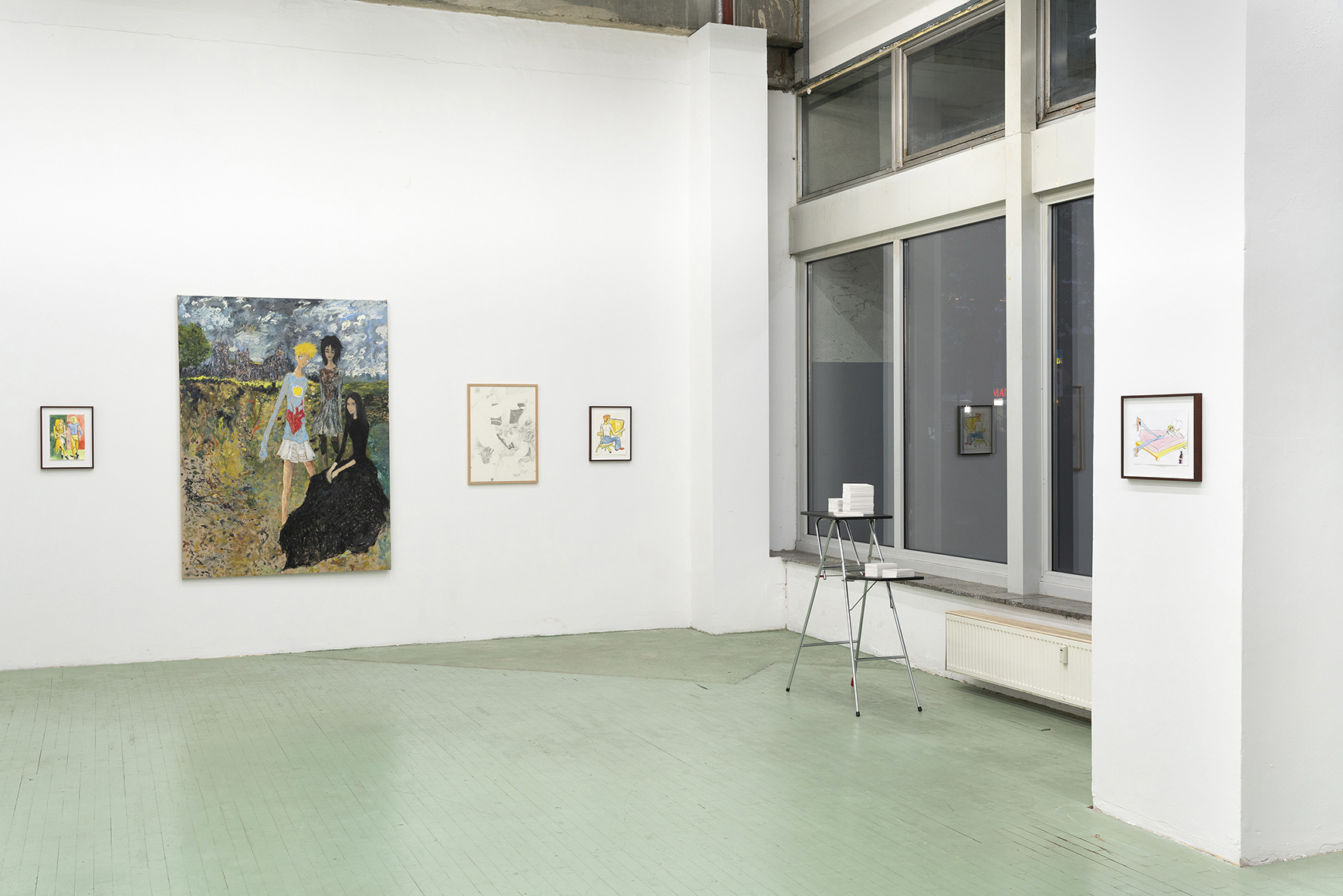
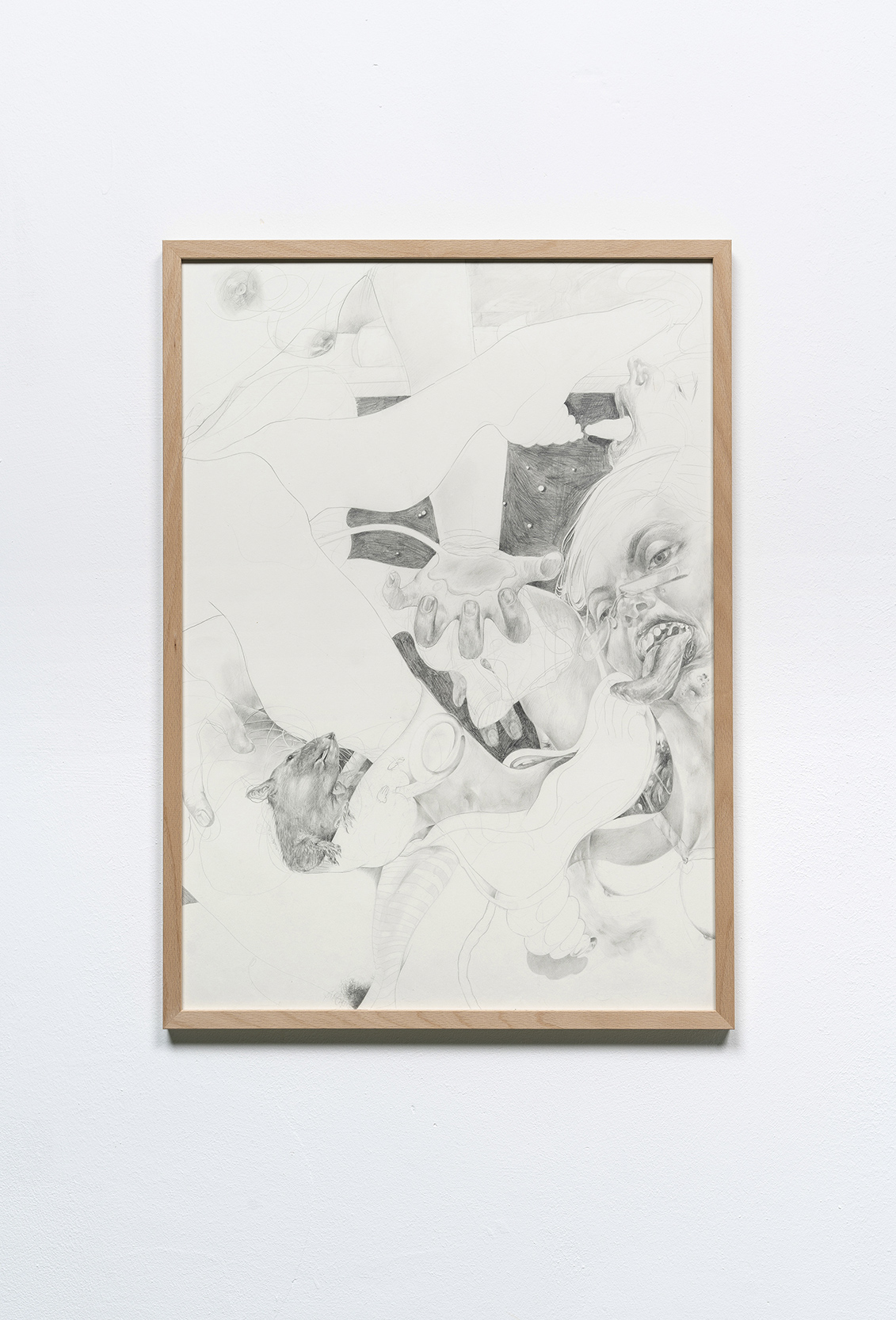
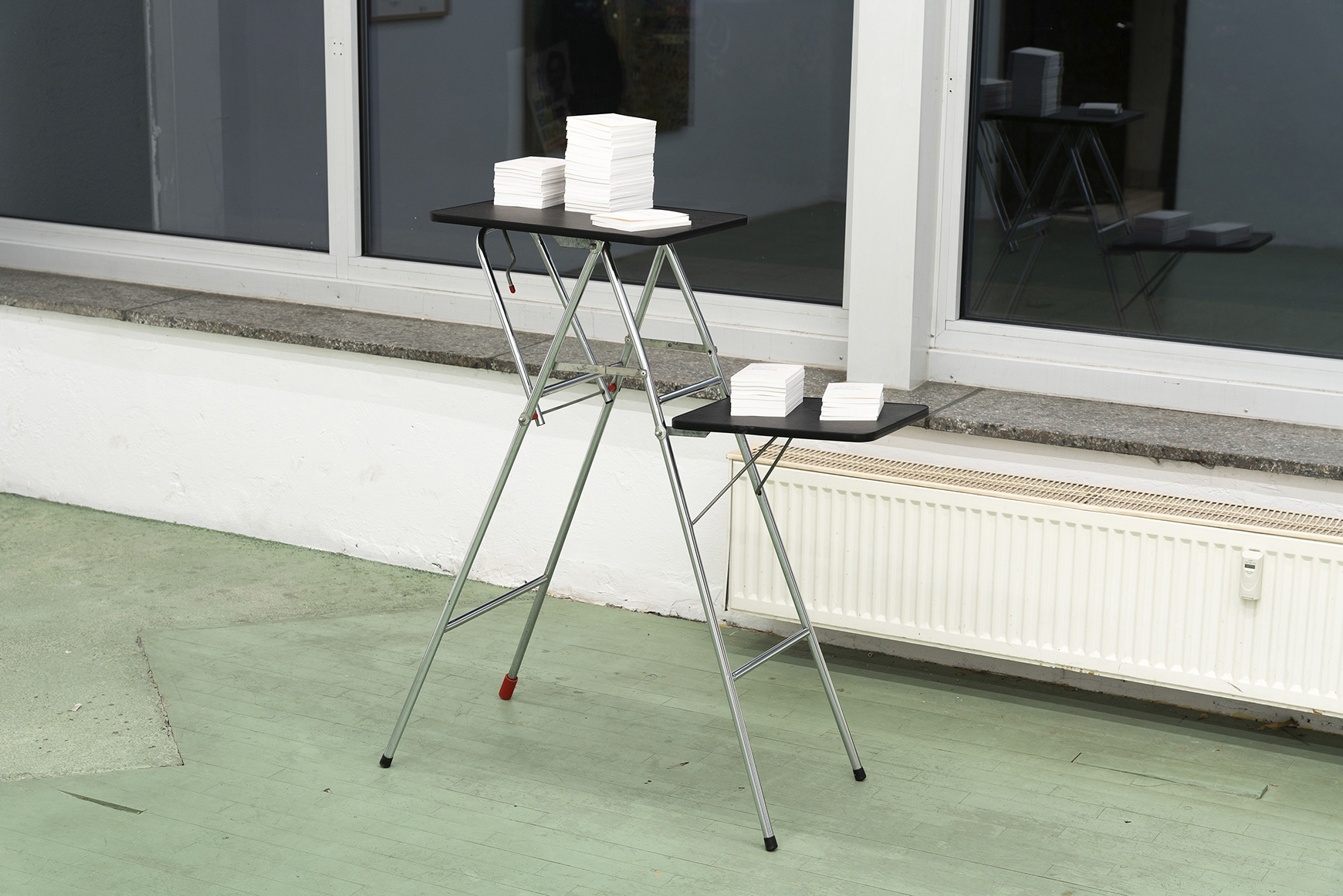
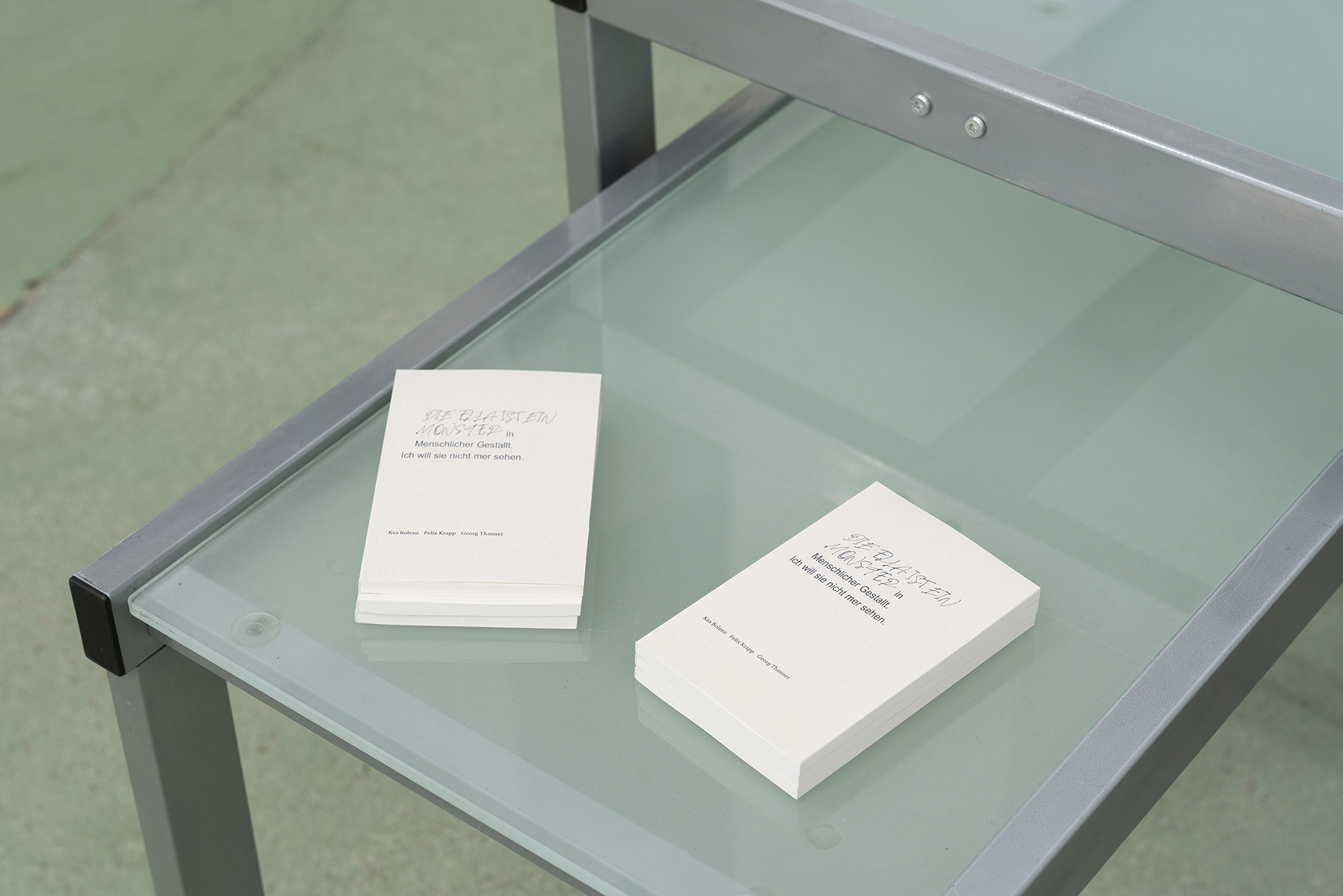
Kea Bolenz, Felix Krapp, Georg Thanner – DIE ELLA IST EIN MONSTER in menschlicher Gestalt. Ich will sie nicht mehr sehn.
Der Handlungsort Internat als eine in sich geschlossene, weder der Kindheit noch dem Erwachsenenleben zugehörige Welt, zugleich aber eher eine trügerische Halbwelt als tatsächliche Vorbereitung auf irgendein Danach. Die nur auf sich selbst beruhende Ordnung dieser Halbwelt zu akzeptieren bedeutet, nie mehr außerhalb ihrer existieren zu können. Um diese Annahme zu verbildlichen, werden Kindheitserinnerungen mit Mörtel verputzt, die Ziegel aus Wunsch- und Wertvorstellungen zu einem Schulgebäude gelegt. Ob wir allein durch die Korridore schlendern? Da es sich nicht um ein reales Bauwerk handelt, lautet die Antwort: Jein.
“DIE ELLA IST EIN MONSTER in menschlicher Gestalt. Ich will sie nicht mehr sehn.” by Kea Bolenz, Felix Krapp, Georg Thanner. 2021, Scherben, Berlin
We use cookies on our website to give you the most relevant experience by remembering your preferences and repeat visits. By clicking “Accept”, you consent to the use of ALL the cookies.
This website uses cookies to improve your experience while you navigate through the website. Out of these, the cookies that are categorized as necessary are stored on your browser as they are essential for the working of basic functionalities of the website. We also use third-party cookies that help us analyze and understand how you use this website. These cookies will be stored in your browser only with your consent. You also have the option to opt-out of these cookies. But opting out of some of these cookies may affect your browsing experience.
Necessary cookies are absolutely essential for the website to function properly. These cookies ensure basic functionalities and security features of the website, anonymously.
Cookie
Duration
Description
cookielawinfo-checbox-analytics
11 months
This cookie is set by GDPR Cookie Consent plugin. The cookie is used to store the user consent for the cookies in the category "Analytics".
cookielawinfo-checbox-functional
11 months
The cookie is set by GDPR cookie consent to record the user consent for the cookies in the category "Functional".
cookielawinfo-checbox-others
11 months
This cookie is set by GDPR Cookie Consent plugin. The cookie is used to store the user consent for the cookies in the category "Other.
cookielawinfo-checkbox-necessary
11 months
This cookie is set by GDPR Cookie Consent plugin. The cookies is used to store the user consent for the cookies in the category "Necessary".
cookielawinfo-checkbox-performance
11 months
This cookie is set by GDPR Cookie Consent plugin. The cookie is used to store the user consent for the cookies in the category "Performance".
viewed_cookie_policy
11 months
The cookie is set by the GDPR Cookie Consent plugin and is used to store whether or not user has consented to the use of cookies. It does not store any personal data.
Functional cookies help to perform certain functionalities like sharing the content of the website on social media platforms, collect feedbacks, and other third-party features.
Performance cookies are used to understand and analyze the key performance indexes of the website which helps in delivering a better user experience for the visitors.
Analytical cookies are used to understand how visitors interact with the website. These cookies help provide information on metrics the number of visitors, bounce rate, traffic source, etc.
Advertisement cookies are used to provide visitors with relevant ads and marketing campaigns. These cookies track visitors across websites and collect information to provide customized ads.